Kaiser Center Events

I Learned It By Watching online businesss!

Stepping into a gambling casino paints a pure envision of an understudy universe- one filled with spirited colors, entrancing people, attractive lights, and the intoxicant noise of shuffling card game, spinning roulette, and undefeated cheers. Originally, casinos were purely for entertainment and socialising, radiating a unique theme of witch, mystery story, and . However, with dynamic multiplication, these establishments have fully grown into widely constituted icons of leisure and potentiality worldly gain.

Casino games volunteer an interesting mix of luck, science, risk, and repay. At the heart of these games is a basic principle players bet on on outcomes. Classic casino games include roulette, where players bet on which amoun or distort a ball will land on after spinning in a wheel. Blackjack, another favorite, involves trying to achieve a card value as close to 21 as possible without going over. Then, there’s fire hook, a game that involves scheme and bluffing to win with the best of card game.

Today’s field of study advancements have played a indispensable role in formation the casino of the future. Online casinos have not only made gaming more easily accessible but have also been key to democratizing the rehearse. They offer a vast set out of games, bonuses, and promotions that are as powerful as those in a physical gambling casino, if not more. Secure defrayal methods and software package that ensures fair play are making online casinos an increasingly pop pick among players.

Beyond the games and victorious opportunities, casinos also carry a appreciation import. They are seen as centers of touristry, attracting visitors from across the Earth with their tempting charm and promise of luck. For cities like Las Vegas and Macau, the business of casinos importantly contributes to their topical anesthetic economies, supporting thousands of jobs and generating billions in tax income. Essentially, casinos are not just spaces for entertainment and gambling but a fundamental frequency part of the cityscape and economy.

However, despite the allure and worldly benefits, responsible gaming and the casino s leaning to hasten dependency continue topics of indispensable come to. To turn to these issues, naga empire have begun pickings steps to encourage causative gambling, such as setting card-playing limits, offering resources for trouble gamblers, and promoting transparence in play rules and odds.

It’s attractive how casinos have evolved over the old age- from small gambling houses in 17th Venice to sophisticated online platforms. They are no yearner just places to try one’s luck. They have become taste and worldly hubs, places for social fundamental interaction, and of touristry. As we look towards the futurity, the phylogeny of casinos promises to bring on even more excitement and conception.

Welcome to The Presidential Family — your go-to YouTube channel for fun, family-friendly content centered around our unique life with multiple sets of twins! Join us as we share hilarious family challenges, funny parenting moments, spooky tales, and exciting haunted house adventures. Our mission is to entertain and inspire families everywhere.

We focus on clean, wholesome content celebrating the joy of twin life and the love of a big family. Follow along as we grow, laugh, and create unforgettable skits, love stories, and precious memories with our adorable twin toddlers.

Subscribe now for your daily dose of laughter, sibling bonding, and unforgettable family fun with your favorite YouTube family!


We Caught A GHOST By The HAUNTED LAKE Behind Our House!


In this thrilling video, we explore the mysterious haunted lake behind our house where paranormal activity has been reported for decades. Armed with cameras and ghost detection tools, we set out to capture evidence of a ghostly presence. Unexpectedly, we caught something chilling on tape that left us stunned! Watch as we document our eerie encounter, sharing spine-tingling moments and unexplained phenomena. If you love ghost stories and real haunted investigations, this video is a must-watch. Dare to join us on this supernatural journey and see what lurks beneath the haunted lake’s dark waters.


Last to leave haunted room wins $10,000


Imagine spending hours locked inside a haunted room with nothing but your courage and determination to keep you company. In this intense challenge, participants compete to be the last one to leave a notoriously haunted room to win $10,000! From creepy noises to sudden chills, the atmosphere is charged with suspense and fear. Watch as contestants face their deepest fears and try to outlast each other in this nerve-wracking contest. Will anyone brave enough to win the cash prize, or will the haunted room claim them first? Don’t miss this thrilling showdown of bravery versus the supernatural.


I Accidentally Bought a Haunted Genie Lamp


What happens when you unknowingly purchase a haunted genie lamp? In this video, I share my unexpected journey after buying an antique lamp rumored to be cursed or haunted by a restless spirit. Strange events began happening around me—unexplained noises, eerie lights, and mysterious shadows. Join me as I document the chilling experiences and try to uncover the dark history behind this mysterious object. From spooky encounters to paranormal activity, this story will keep you on the edge of your seat. Watch to see if I manage to lift the curse or if the haunted genie lamp changes my life forever!


Wife GET LOST IN HAUNTED LAKE


In this heart-stopping video, a family trip takes a terrifying turn when the wife mysteriously goes missing in a haunted lake. Surrounded by legends of spirits and dark forces, the search for her becomes a race against time. Watch as loved ones and paranormal experts combine their efforts to find her, facing spine-chilling supernatural events along the way. The haunted lake’s dark secrets unravel as the story unfolds, revealing shocking twists and eerie discoveries. Will she be found, or has the haunted lake claimed another victim? Tune in for a haunting tale of loss and hope.


100 YEAR OLD HAUNTED LOVE LETTER!


Discover the haunting tale behind a 100-year-old love letter believed to be cursed or haunted by the tragic spirits of its past. This video explores the eerie history of the letter, written during a time of heartbreak and loss, and the strange events that have surrounded it ever since. From mysterious appearances to paranormal activity, the love letter continues to captivate and terrify those who come into contact with it. Join us as we uncover its secrets, share eyewitness accounts, and explore why this century-old relic still holds power over the living.

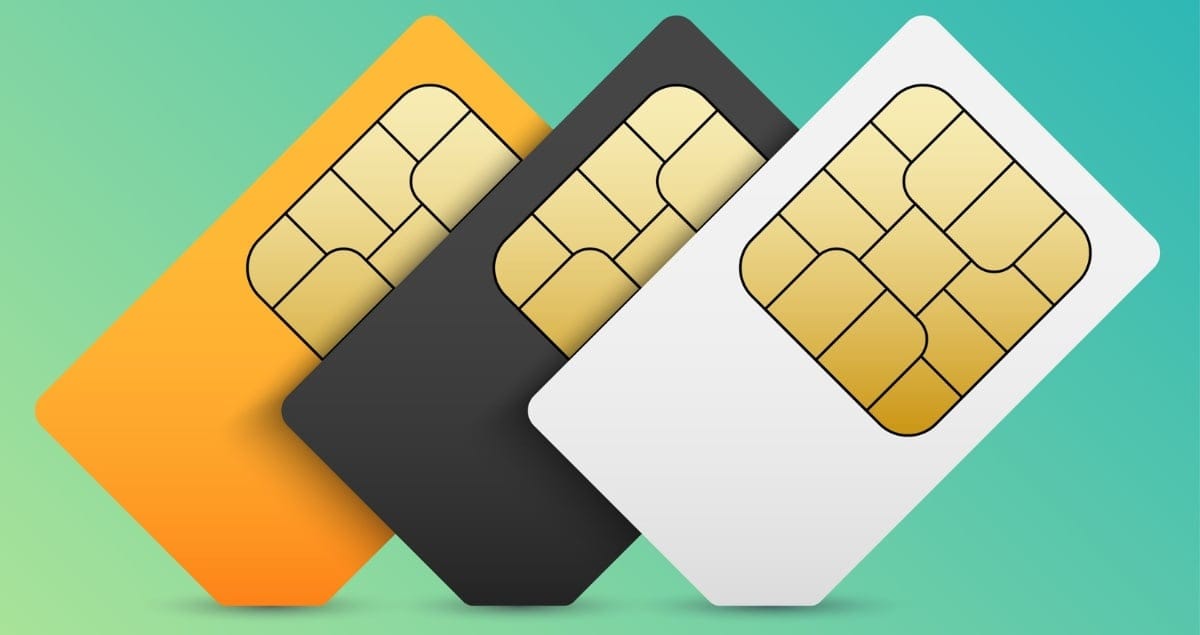
In an era where smartphones and mobile connectivity are crucial to our daily lives, it’s easy to overlook the small chip that makes it all possible. The SIM card (Subscriber Identity Module) is often taken for granted, yet it plays an indispensable role in how we stay connected to the world. Whether you're making a call, sending a text, or browsing the internet, this tiny card is responsible for ensuring your device can communicate with your mobile network.

In this article, we will explore the functions, history, and future of SIM cards and how this small piece of technology continues to shape the mobile landscape.

What is a SIM Card?

A SIM card is a small, removable smart card that serves as the key to accessing a mobile network. It contains critical information that allows a phone or other connected device to interact with a mobile carrier's network. This information includes your phone number, account details, subscriber identity, and encryption keys that ensure secure communication.

Without a SIM card, your mobile device can’t access cellular services like making calls, sending texts, or connecting to the internet. It’s the heart of mobile connectivity, enabling devices to authenticate users and securely access mobile services.

The History of SIM Cards

The journey of SIM cards began in the early 1990s with the rollout of GSM (Global System for Mobile Communications) networks. Before SIM cards, mobile phones were tied to specific carriers, making it difficult to switch phones or change carriers. The introduction of SIM cards allowed mobile phones to become much more flexible, as the SIM card stored the user’s identity and could be easily transferred between phones.

Over the years, as mobile phones became more compact and powerful, the design of SIM cards also evolved. Early SIM cards were quite large (the standard SIM), but as phones became slimmer and more compact, SIM card sizes followed suit.

Types of SIM Cards: From Standard to eSIM

SIM cards have evolved in terms of both design and functionality. Here's a look at the different types of SIM cards that have emerged over time:

  1. Standard SIM: The first SIM card to hit the market, the standard SIM was large and measured 25mm x 15mm. It was used in early mobile phones and is now considered obsolete, replaced by smaller sizes as mobile phones became thinner and more powerful.

  2. Micro SIM: The micro SIM card, introduced in 2003, measures 15mm x 12mm and became widely adopted with the rise of smartphones like the iPhone 4. While it’s still found in older devices, newer devices have moved on to smaller forms of SIM cards.

  3. Nano SIM: The nano SIM, which is the most common today, measures just 12.3mm x 8.8mm. This compact size is used in most modern smartphones, including flagship devices from companies like Apple, Samsung, and Google.

  4. eSIM: The most recent evolution of 數據漫遊 technology is the eSIM (embedded SIM). Unlike traditional SIM cards, eSIMs are embedded directly into the device and cannot be removed or swapped. eSIM technology allows for remote provisioning, meaning users can switch carriers or plans digitally, without needing a physical SIM card. This technology is becoming increasingly popular in devices like smartwatches, tablets, and future smartphones.

How SIM Cards Work

SIM cards work by storing your unique IMSI (International Mobile Subscriber Identity), which is used to authenticate your device when it connects to a mobile network. Here’s a simplified explanation of how a SIM card functions:

  1. Identification and Authentication: When you insert your SIM card into a mobile device, the device communicates with the carrier’s network. The network uses the IMSI number on the SIM card to authenticate your phone and verify that you’re allowed to use its services.

  2. Network Access: After authentication, the SIM card allows your device to access the network for services like calls, texts, and mobile data. The SIM card facilitates the secure connection between your device and the mobile carrier’s infrastructure.

  3. Encryption: SIM cards also provide security by storing encryption keys. These encryption keys ensure that any data sent over the network, such as phone calls or text messages, remains private and secure. Without this encryption, sensitive data could easily be intercepted or compromised.

  4. Roaming: SIM cards are also essential for roaming, which allows your device to stay connected when you travel internationally. When you’re in another country, you can swap your home SIM card for a local one to access cheaper rates for calls, texts, and data.

The Advantages of Using SIM Cards

SIM cards provide several key benefits that have made them indispensable to mobile communication:

  1. Portability and Flexibility: One of the biggest advantages of SIM cards is that they make it easy to switch devices. If you upgrade to a new phone or need to use a backup device, all you need to do is swap the SIM card, and your phone number and account information transfer with it.

  2. Global Connectivity: With a SIM card, you can easily access mobile networks across the globe. When you travel abroad, you can purchase a local SIM card for cheaper rates and avoid expensive international roaming charges. This global mobility is a major advantage for frequent travelers.

  3. Security: SIM cards use encryption to protect your communications, ensuring that your calls, texts, and mobile data are secure. Additionally, SIM cards can be locked with a PIN to prevent unauthorized access if your phone is lost or stolen.

  4. Dual SIM Capability: Many modern smartphones offer dual SIM functionality, which allows you to use two SIM cards in one device. This is especially useful for people who want to separate their work and personal phone numbers or those who need to use a local SIM while keeping their original number.

The Future of SIM Cards: eSIM and Beyond

While traditional SIM cards are still in use, the rise of eSIM technology marks a shift toward a future where physical SIM cards may eventually become obsolete. eSIM technology offers several key advantages:

  • Remote Activation: With eSIM, users can switch carriers or activate new service plans without needing to physically swap out SIM cards. This makes it easier to manage your mobile network and enjoy greater flexibility.

  • Space Efficiency: As eSIMs are embedded in the device itself, they free up valuable space, allowing for slimmer devices or additional features.

  • Multiple Profiles: eSIM technology allows multiple carrier profiles to be stored on the same device. This means that users can have different phone numbers or carrier plans for different regions, which is particularly useful for international travelers or business users.

While eSIM technology is still in the early stages, it’s gaining traction, with companies like Apple, Google, and Samsung already adopting eSIM in their devices. As 5G networks roll out and more IoT devices (like connected cars and smart home appliances) become commonplace, eSIMs are expected to become the standard for many mobile devices in the future.

Conclusion

The SIM card may be small, but it plays an essential role in how we stay connected in today’s world. From its humble beginnings in the early 1990s to the advent of eSIM technology, SIM cards have been at the heart of mobile communication. Their ability to authenticate users, provide secure connections, and offer flexibility has made them a cornerstone of modern mobile networks.

As mobile technology continues to evolve, the role of SIM cards will evolve with it. Whether in its traditional form or as part of the emerging eSIM technology, the SIM card will remain an indispensable link between us and the global mobile network, helping to keep us connected in an increasingly digital world.

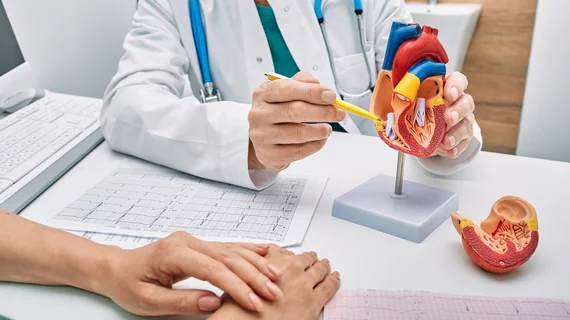
Cardiology, the branch of medicine focused on the heart and its vascular system, is one of the most crucial and evolving fields in healthcare. The heart, responsible for pumping blood throughout the body, is at the core of our survival, making the study and treatment of heart diseases vital for improving quality of life and longevity. As one of the leading causes of death globally, heart disease demands constant attention from healthcare professionals, particularly cardiologists. This article explores the field of cardiology, its significant advancements, the role of cardiologists, and how we can take proactive steps to protect our heart health.

The Heart: A Complex Organ

The human heart is an extraordinary organ, comprising four chambers: two atria and two ventricles. It serves as the body’s pump, sending oxygen-rich blood through the arteries to nourish the tissues while simultaneously returning deoxygenated blood to the lungs. This continuous process ensures that cells receive nutrients, remove waste, and stay alive.

While the heart is a remarkably efficient organ, it can become susceptible to various diseases, which can impact its ability to function. Cardiologists are the medical experts who specialize in diagnosing, treating, and preventing these conditions. Their knowledge of heart anatomy, blood flow, and electrical signals is essential to understanding and addressing heart problems.

The Major Categories of Heart Disease

Heart disease encompasses a wide variety of conditions that affect the structure and function of the heart. Understanding these conditions is crucial for managing heart health effectively. Here are the most common heart diseases:

  1. Coronary Artery Disease (CAD): Also known as ischemic heart disease, CAD occurs when the blood vessels supplying blood to the heart muscle become narrowed or blocked by fatty deposits called plaque. This impedes the flow of oxygenated blood to the heart and can lead to chest pain, heart attacks, or even heart failure. Preventing CAD often involves controlling risk factors such as high cholesterol, high blood pressure, and smoking.

  2. Heart Failure: This chronic condition occurs when the heart is unable to pump blood efficiently to meet the body’s needs. It can result from weakened heart muscles or an impaired heart valve function. Symptoms include fatigue, shortness of breath, and swelling. Treatment can include medications, lifestyle changes, or surgical procedures.

  3. Arrhythmias: These are abnormal heart rhythms that affect the electrical activity of the heart. Some arrhythmias, like atrial fibrillation, increase the risk of stroke and can cause dizziness or fainting. In severe cases, arrhythmias may require procedures like catheter ablation or implantation of pacemakers or defibrillators.

  4. Valvular Heart Disease: The heart contains four valves that help direct blood flow in one direction. When one or more of these valves become damaged—through narrowing, leakage, or prolapse—blood flow can become turbulent, leading to inefficient pumping and even heart failure. Valvular diseases can be treated with medications or surgeries like valve repair or replacement.

  5. Congenital Heart Defects: Some individuals are born with structural abnormalities in their heart. These congenital defects can range from mild to severe, requiring varying levels of intervention. Advances in pediatric cardiology now allow children born with congenital heart defects to live longer, healthier lives with appropriate treatment.

  6. Hypertension (High Blood Pressure): Although not directly a disease of the heart itself, high blood pressure is one of the leading risk factors for developing heart disease. It can strain the heart over time, leading to heart failure, kidney disease, and stroke. Managing blood pressure is crucial for preventing long-term heart issues.

The Role of Cardiologists in Heart Health

Cardiologists are experts in diagnosing and treating diseases of the heart and blood vessels. Their role is diverse, ranging from preventive care to emergency interventions and long-term disease management. Cardiologists specialize in various subfields, including:

  • Interventional cardiology: This involves using non-surgical methods, such as balloon angioplasty and stenting, to treat coronary artery disease and other conditions by improving blood flow.

  • Electrophysiology: Electrophysiologists specialize in the heart's electrical system, diagnosing and treating arrhythmias through methods like catheter ablation and the implantation of pacemakers or defibrillators.

  • Heart failure cardiology: This subfield focuses on managing patients with heart failure through medications, lifestyle adjustments, and advanced treatments like heart transplants or ventricular assist devices.

  • Pediatric cardiology: Cardiologists who specialize in pediatric care focus on diagnosing and treating congenital heart defects and other cardiovascular conditions in children.

  • Preventive cardiology: Preventive cardiologists work with patients to manage risk factors, such as high cholesterol, diabetes, and obesity, to reduce the likelihood of developing heart disease later in life.

Technological Advances in Cardiology

Advancements in technology have revolutionized the field of cardiology, offering new ways to diagnose, treat, and monitor heart disease. Some of the most noteworthy innovations include:

  1. Cardiac Imaging: Techniques like echocardiography, magnetic resonance imaging (MRI), and computed tomography (CT) scans enable cardiologists to see the heart’s structure in great detail. These non-invasive tests allow for the early detection of abnormalities and the monitoring of ongoing conditions, leading to more effective treatments.

  2. Minimally Invasive Procedures: With the advent of interventional cardiology, many procedures that once required open-heart surgery can now be performed through minimally invasive techniques. Balloon angioplasty, stenting, and transcatheter aortic valve replacement (TAVR) are examples of procedures that have reduced recovery time and improved outcomes.

  3. Wearable Devices: The rise of fitness trackers and smartwatches has given individuals the ability to monitor their heart health in real time. Many devices can track heart rate, detect irregular rhythms, and even alert healthcare providers if something goes wrong. This real-time monitoring allows for early intervention and better management of heart conditions.

  4. Artificial Intelligence (AI): AI is transforming the field of cardiology by helping doctors analyze large amounts of data quickly. AI systems can assist in diagnosing heart disease from medical images, predicting outcomes, and personalizing treatment plans for individual patients. These tools are designed to augment the capabilities of cardiologists, making diagnoses more accurate and treatment more tailored.

Prevention and Lifestyle Modifications

Preventing heart disease is one of the most important aspects of cardiology. While some risk factors like genetics cannot be controlled, many aspects of heart health can be influenced through lifestyle changes. Cardiologists focus on several key areas to reduce the risk of heart disease:

  • Exercise: Regular physical activity strengthens the heart and improves circulation. Cardiologists recommend at least 150 minutes of moderate-intensity aerobic exercise per week.

  • Diet: A heart-healthy diet rich in fruits, vegetables, whole grains, and lean proteins can reduce the risk of heart disease. Limiting saturated fats, salt, and processed foods helps maintain healthy cholesterol levels and blood pressure.

  • Smoking cessation: Smoking is one of the most significant risk factors for heart disease. Quitting smoking can dramatically lower the risk of coronary artery disease, stroke, and heart attack.

  • Stress management: Chronic stress can contribute to heart disease by raising blood pressure and increasing inflammation. Stress-reduction techniques, such as mindfulness, yoga, and meditation, are encouraged for heart health.

  • Regular health checkups: Regular visits to the doctor for blood pressure, cholesterol, and blood sugar checks are essential for early detection and management of 心臟病症狀 disease.

The Future of Cardiology

Cardiology continues to advance rapidly, with ongoing research into gene therapy, stem cell treatments, and new drug therapies. The future of cardiology will likely include more personalized treatments based on genetic information, as well as improvements in the use of AI and robotic surgery. These innovations have the potential to enhance the quality of care for heart disease patients and improve survival rates across the globe.

Conclusion

Cardiology is a dynamic and vital medical field that directly impacts the health and well-being of individuals worldwide. With heart disease remaining a top cause of death, the role of cardiologists in preventing, diagnosing, and treating heart conditions cannot be overstated. From advances in medical imaging and minimally invasive treatments to innovations in wearable technology, the future of cardiology looks promising. By focusing on prevention, early detection, and cutting-edge treatments, cardiologists are helping patients lead longer, healthier lives—ensuring that the heart continues to beat strong for years to come.

In today's fast-paced world, customized tees have emerged as a game-changer in the fashion industry. Whether for personal expression, branding, or gifting, a personalized t-shirt offers unique designs, personal identity, and limitless creativity. With advanced printing techniques and accessible design tools, anyone can create a one-of-a-kind t-shirt that reflects their personality or brand.

The Growing Demand for Personalized T-Shirts

The global market for customized t-shirts is booming. Businesses, influencers, and individuals are turning to custom t-shirts to showcase their style or promote their brands. Some key reasons for this surge include:

  • Branding and Marketing: Companies use 公司制服 tees as promotional tools.

  • Personal Expression: Individuals love expressing their unique styles and beliefs.

  • Event Memorabilia: Family reunions, sports teams, and corporate events rely on custom tees.

  • E-Commerce Boom: Print-on-demand platforms make customization accessible to everyone.

How to Design a Customized Tee

Creating a customized t-shirt is now easier than ever, thanks to various online platforms and printing services. Here’s a step-by-step guide to designing your perfect tee:

1. Choose the Right Fabric

The material of your t-shirt plays a crucial role in its comfort and durability. Popular choices include:

  • Cotton: Soft, breathable, and comfortable for daily wear.

  • Polyester: Moisture-wicking and durable, ideal for sports and activewear.

  • Blends: A mix of cotton and polyester offers the best of both worlds.

2. Select the Perfect Fit

A well-fitting t-shirt enhances comfort and style. Some common styles include:

  • Regular Fit: Classic and versatile for any occasion.

  • Slim Fit: Tailored to provide a modern and stylish look.

  • Oversized: Perfect for streetwear and casual fashion.

3. Create Your Design

Your design is what makes your custom tee unique. Consider the following elements:

  • Typography: Choose stylish fonts that align with your message.

  • Graphics & Logos: Upload your own images or use pre-made templates.

  • Colors: Use contrasting colors to make your design pop.

  • Placement: Decide where the design will go (front, back, sleeve, or all-over print).

4. Select a Printing Method

Different printing techniques affect the quality and longevity of your design. Popular methods include:

  • Screen Printing: Ideal for bulk orders, offering high-quality and durable prints.

  • Direct-to-Garment (DTG): Best for detailed and colorful designs with a soft feel.

  • Heat Transfer Vinyl (HTV): Great for small orders and custom lettering.

  • Sublimation Printing: Works best on polyester for vibrant, full-color prints.

Top Platforms for Customizing Tees Online

Many online platforms allow users to design and order custom t-shirts effortlessly. Some of the best options include:

  • Printful: Seamless integration with e-commerce platforms.

  • TeeSpring: Ideal for influencers and entrepreneurs.

  • Custom Ink: Great for team orders and bulk printing.

  • Redbubble: A marketplace for artists to sell their designs.

Customized Tees for Businesses

Many companies use custom t-shirts as a branding tool. Here’s why businesses should invest in personalized tees:

  • Enhance Brand Visibility: Employees wearing branded t-shirts help with marketing.

  • Team Unity: Uniforms create a sense of belonging among employees.

  • Customer Engagement: Giveaways and promotional tees boost customer loyalty.

Customized Tees for Personal Use

For individuals, custom tees provide a way to express personal style. Some ideas include:

  • Graphic Tees: Showcase your favorite bands, quotes, or pop culture references.

  • Minimalist Designs: Simple and stylish typography-based tees.

  • Photo Tees: Print personal photos for unique keepsakes.

  • Matching Outfits: Perfect for couples, families, or group events.

Sustainable and Eco-Friendly Custom T-Shirts

With sustainability becoming a priority, many brands offer eco-friendly custom tees made from organic cotton, bamboo, or recycled materials. Choosing sustainable printing methods like water-based inks and biodegradable packaging ensures a lower carbon footprint.

Conclusion

Customized t-shirts are more than just fashion; they are a statement of individuality, branding, and creativity. With numerous design tools and printing techniques available, creating a one-of-a-kind tee has never been easier. Whether for personal use or business promotion, a customized tee is a timeless investment.