
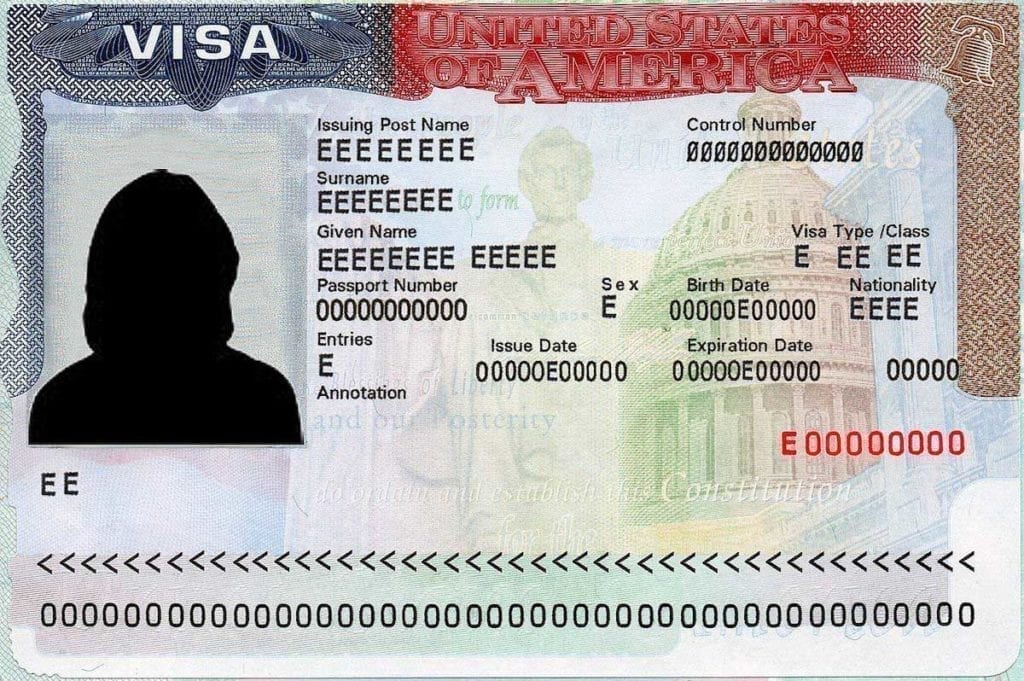
In an increasingly interrelated worldly concern, global mobility is crucial for individuals seeking new opportunities, whether for work, breeding, leisure, or family. At the spirit of this front is the visa, a that grants license to enter, domiciliate in, or pass across through a res publica. Despite their grandness, Egypt Visa For QATARI CITIZENS can be a source of mix-up and complexness. This article delves into the various types of visas, the practical application processes involved, and how the modern font landscape painting of visas influences global mobility in the 21st .
Understanding Visas: What Are They?
A visa is an functionary mandate from a politics that permits a established subject to put down, stay, or pass across through a res publica. It is typically placed in the recommendation or obtained as an physics , depending on the land s insurance policy. Visas are not always requisite for entry, as some countries have visa-free agreements with others, particularly within regions like the European Union or the Schengen Area. However, in many cases, travelers must apply for a visa that matches the resolve of their visit.
Types of Visas
Visas are categorized supported on their resolve, duration, and the conditions of stay. Here are some of the main types:
-
Tourist Visas: Designed for individuals who wish to trip for leisure time or rubber-necking, tourist visas are usually short-term, typically ranging from a few weeks to a few months. They are not meant for employment or business activities.
-
Business Visas: These are given to individuals travel for byplay purposes, such as attending meetings, conferences, or negotiating contracts. They are often short-circuit-term but may want proofread of a stage business family relationship or invitation.
-
Student Visas: Students wishing to contemplate overseas must utilise for a student visa, which generally requires enrollment in an acquisition insane asylum. Student visas are often unexpired for the length of the contemplate program, and some countries allow holders to work part-time while poring over.
-
Work Visas: Work visas allow individuals to be employed in a nonnative country for a specific period of time. There are numerous subcategories under work visas, including temporary worker worker visas, intra-company transfer visas, and visas for arch workers, each with its own requirements.
-
Family Visas: These visas are issued to family members of individuals already residing in a res publica, whether as citizens or perm residents. Family visas allow spouses, children, and sometimes parents to join their relatives in the host body politic.
-
Transit Visas: If you re passing through a nation on your way to another destination, you may need a pass through visa, which allows short corset(typically a few days) to transfer flights or travel across the land.
-
Immigrant Visas: These are planned for those seeking to domiciliate permanently in a country. Immigration visas require more extensive support and downpla checks and may admit family sponsorship or employer sponsorship processes.
-
Refugee and Asylum Visas: Issued to individuals fleeing persecution in their home countries, these visas allow them to seek asylum and protection in another nation.
The Visa Application Process
Obtaining a visa is often a multi-step work on that requires troubled care to detail. While the specifics vary from one body politic to another, most visa applications watch over a synonymous routine:
-
Determine the Right Egypt Visa For PUERTORICAN CITIZENS : Before applying, individuals must which type of visa is appropriate for their jaunt purpose. This can be done by consulting the or consulate s web site, where requirements and guidelines are clearly outlined.
-
Gather Required Documents: Common documents for visa applications admit a valid passport, proof of fiscal stableness, invitation letters(if applicable), and travel itineraries. The needful documentation varies by visa type and destination body politic.
-
Complete the Application: Most countries now offer online visa applications. The forms typically call for subjective details, trip plans, and the conclude for visiting. Some countries may also want biometric data, such as fingerprints or photographs.
-
Attend an Interview: In many cases, applicants must look an in-person question at the embassy or . The question assesses the applier s intentions and verifies the legitimacy of their documents.
-
Wait for Approval: After submitting the application, individuals must wait for processing, which can take from a few days to several weeks, depending on the type of visa and the land. Some countries offer facilitated processing for an additive fee.
-
Visa Issuance: Once authorized, the visa is issued. For some countries, this might call for a physical prickle or stomp in the recommendation, while others use electronic visas(eVisas).
Modern Trends in Global Mobility
The 21st has seen considerable changes in international mobility, with visa policies evolving to meet new demands. Technological advancements have streamlined visa application processes, allowing for online applications and eVisas in many countries. However, these changes also come with their own challenges, such as hyperbolic surveillance and data-sharing between countries.
Additionally, shifting geopolitical dynamics and the rise of populism have led some countries to levy stricter visa policies, particularly regarding immigration and refuge seekers. On the other hand, countries like Canada and Australia have enforced more welcoming programs for adept workers and international students, recognizing the worldly and discernment benefits of international talent.
In termination, visas are requirement tools in facilitating international trip and world mobility. Understanding the different types, the practical application processes, and the implications of Bodoni font visa policies is material for anyone navigating the complexities of international front. As the world continues to develop, so too will the systems that govern the exemption of social movement, qualification it more meaningful than ever to stay conversant and prepared.