Street-Level Reality Check
Here’s the deal: if your warehouse floor feels like Midtown traffic at rush hour, you’re not alone. Robotics software is the real driver behind whether those bots flow or stall. Teams see uptime dip when peak hits, pick cycles stretch, and routes get messy—numbers don’t lie: 18% of sites report idle time spikes during shift change, and micro-delays add up to minutes per hour. So the real question is, what kind of brain do you need to cut the noise? Check the choices around robotic amr software and you’ll notice the spread—some stacks flex, some crack (we’ve seen it, outer boroughs to Bayonne).
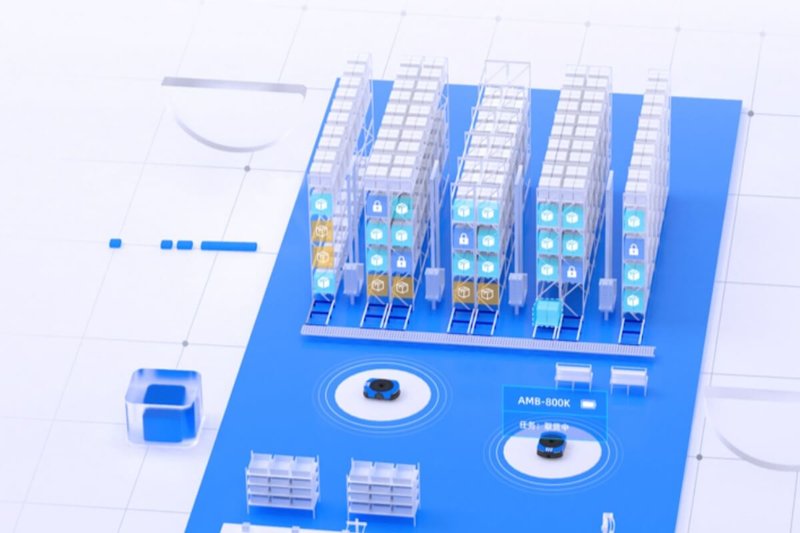
Picture a dock door jam, pallets stacked high, and two AMRs misreading a narrow lane. Data shows route recalcs blow past the SLA when the RF noise gets wild. You get power sags, dropped packets, and a WMS nudge that shows up late. That’s not “oops,” that’s design. So—are we buying tools, or buying time back? Let’s step through what breaks, then what actually holds, so you can pick a stack that lasts in the real world. Next stop: the gaps no one wants to admit.
Legacy Playbooks and the Hidden Costs They Hide
Why do old stacks crack?
Traditional setups lean on rigid middleware and centralized schedulers. That’s fine until the floor goes dynamic. When SLAM drifts in reflective aisles, or when edge computing nodes choke on sensor fusion spikes, those systems stall. The classic fix is to throw more rules at routing. That makes it worse. You get compounding waits, jitter on QoS, and fragile path planning after every “exception.” Look, it’s simpler than you think: brittle rules plus noisy floors equals chaos—funny how that works, right?
There’s also the hidden tax: device babysitting. Old stacks need manual map patches, battery thresholds tuned per unit, and hand-held reboots when power converters clip during hot swaps. Fleet orchestration then falls out of sync. One unit goes rogue, five follow. The fix isn’t more dashboards. It’s software that adapts—on its own, in milliseconds. If Part 1 talked about throughput and safety, here’s the deeper cut: the real pain is recovery time. Not if bots fail, but how fast they bounce back without techs sprinting across the aisle.
Comparative Outlook: Principles Behind the New Wave
What’s Next
Newer platforms pivot from rule trees to learned behaviors and constraint-based planning. They use lightweight models at the edge, cross-checked with a cloud digital twin. That means the system tests a route in simulation first, then pushes the move. It’s not hype; it’s better risk control. The routing engine re-scores paths with live congestion data, and the fleet orchestration layer shifts tasks in micro-batches—milliseconds, not minutes. Systems built like this treat “noise” as a feature to digest, not a failure to hide. Drop in robotic amr software with rapid map updates and event-driven middleware, and you’ll watch recoveries shrink—wild to see on a Tuesday, then normal by Friday.
Here’s how to compare, head-to-head, without the buzzwords. One, measure route stability under RF load and metal glare (simulate the ugly stuff). Two, track mean time to autonomy after faults—no human hands. Three, verify throughput with mixed fleets and uneven charge cycles. Keep the tone real and the math simple. If the platform scales maps, adapts SLAM on the fly, and keeps QoS steady when traffic spikes, you’ve got a future-proof lane. If not—back to patching, and you know how that movie ends, right?
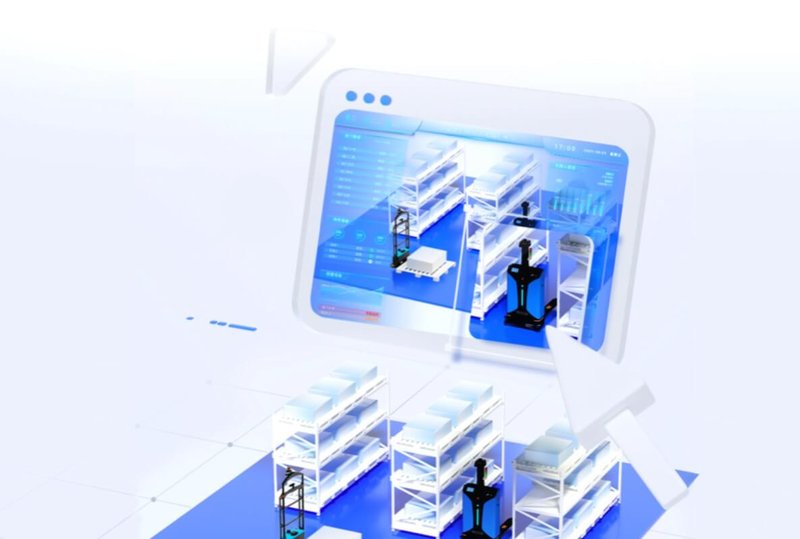
Final take, advisory style: pick for elastic mapping under sensor noise; pick for fault recovery under 30 seconds; pick for orchestration that holds SLAs during peak. Results show up as fewer aisle stops, cleaner handoffs, and calmer ops leads. That’s the kind of quiet you can bank on. For deeper specs and a clear read on the stack, see SEER Robotics—then test it on your floor, not just in slides.