Kaiser Center Events

I Learned It By Watching online businesss!

Di tengah kesibukan hidup modern, banyak orang mencari hiburan cepat, praktis, dan menyenangkan. Salah satu pilihan yang makin digemari adalah slot online. Bukan hanya karena keseruannya, tapi juga karena potensi hadiah besar yang bisa didapatkan dengan satu kali putaran saja. Yuk, kita bahas mengapa slot online layak jadi pilihan utama untuk hiburan digital Anda!

Slot Online: Dari Mesin Fisik ke Dunia Digital

Dulu, slot hanya bisa dimainkan di kasino fisik. Tapi kini, teknologi telah mengubah segalanya. Dengan koneksi internet dan perangkat seperti smartphone atau laptop, siapa pun bisa menikmati sensasi bermain slot kapan saja, di mana saja slot resmi.

Slot online hadir dalam berbagai tema, mulai dari legenda Asia, petualangan di Mesir kuno, hingga slot dengan tema buah klasik. Semua dikemas dengan efek visual dan suara yang canggih, membuat pengalaman bermain jadi sangat imersif.

Kelebihan Bermain Slot Online

1. Akses Mudah Tanpa Ribet

Hanya dengan mendaftar di situs terpercaya, Anda bisa langsung bermain tanpa perlu instalasi rumit.

2. Banyak Pilihan Game

Pemain bisa memilih dari ratusan bahkan ribuan judul game dari provider terkenal seperti:

  • Microgaming

  • Pragmatic Play

  • PG Soft

  • Habanero

  • Spadegaming

3. Banyak Bonus dan Promo

Slot online sering menawarkan welcome bonus, bonus harian, hingga turnamen slot dengan hadiah besar.

4. Aman dan Terpercaya

Situs-situs resmi dilengkapi dengan enkripsi dan lisensi legal, menjamin keamanan data serta transaksi pemain.

Cara Menang Bermain Slot Online

Meskipun permainan ini berbasis keberuntungan, beberapa tips berikut bisa meningkatkan peluang Anda:

  • Pilih game dengan RTP tinggi (minimal 95%).

  • Main di jam-jam tertentu yang dianggap lebih “gacor” oleh komunitas pemain.

  • Manfaatkan fitur buy spin atau auto spin untuk mempercepat putaran.

  • Kelola saldo dengan bijak – hindari bermain dengan emosi.

Siapa Saja yang Cocok Bermain Slot Online?

Slot online cocok untuk:

  • Pemain baru yang mencari permainan ringan tanpa aturan rumit.

  • Orang sibuk yang ingin hiburan cepat saat waktu luang.

  • Pemain berpengalaman yang mengejar jackpot besar.

Kesimpulan

Slot online bukan hanya sekadar permainan, tetapi juga bentuk hiburan interaktif dengan potensi keuntungan. Dengan ribuan pilihan game, bonus menarik, dan akses yang sangat mudah, tak heran jika slot online menjadi pilihan utama banyak orang di Indonesia. Namun, selalu ingat untuk bermain secara bertanggung jawab dan pilih situs slot online yang legal serta aman.

In recent years, manga adult dolls toys have seen a significant transformation, becoming widely accepted as essential tools for personal pleasure and relationship enhancement. No longer hidden away in secrecy, they are now recognized as a means of self-discovery, intimacy building, and overall well-being.

This article delves into the various types of adult toys available, their benefits, and how to choose the right ones to enhance your experience, whether solo or with a partner.

The Growing Popularity of Adult Toys

1. Breaking the Stigma

The taboo surrounding adult toys has gradually diminished as more people embrace open conversations about sexual health and pleasure. With increasing awareness and education, the use of adult toys is no longer viewed as unconventional but rather as an integral part of sexual exploration.

2. Expanding Market and Innovation

Technological advancements have paved the way for smart, app-controlled, and customizable adult toys. This evolution has led to a more inclusive market catering to people of all genders, orientations, and preferences.

3. Holistic Sexual Wellness

Adult toys are not just about pleasure; they contribute to overall wellness by reducing stress, enhancing intimacy, and improving self-confidence. Many are also designed for therapeutic benefits, such as improving pelvic floor strength and addressing sexual dysfunctions.

Types of Adult Toys and Their Uses

1. Vibrators

Vibrators are among the most popular adult toys, offering a range of sensations through different designs:

  • Bullet Vibrators: Small and discreet, perfect for pinpoint stimulation.

  • Wand Massagers: Versatile and powerful for both intimate and muscle relaxation.

  • Dual-Stimulation Vibrators: Simultaneously stimulate multiple erogenous zones.

2. Dildos

Dildos come in various shapes, sizes, and materials, providing a realistic or uniquely pleasurable experience:

  • Realistic Dildos: Designed to mimic human anatomy.

  • Textured Dildos: Feature ridges, bumps, and curves for added stimulation.

  • Strap-On Compatible Dildos: Ideal for partnered play.

3. Male Pleasure Devices

Men’s adult toys have also evolved with advanced technology and ergonomic designs:

  • Masturbation Sleeves: Provide lifelike sensations and textured interiors.

  • Prostate Massagers: Enhance pleasure and promote prostate health.

  • Cock Rings: Enhance erection strength and stamina.

4. Anal Toys

Anal stimulation is becoming more popular, with toys specifically designed for comfort and pleasure:

  • Butt Plugs: Available in various sizes and designs.

  • Anal Beads: Offer gradual and controlled pleasure.

  • Prostate Stimulators: Specially designed to target the male G-spot.

5. BDSM and Sensory Play Toys

For those interested in exploring dominance, submission, and sensory play, options include:

  • Restraints and Handcuffs: Introduce elements of control.

  • Impact Toys (Whips, Paddles, Floggers): Enhance sensation play.

  • Blindfolds and Gags: Heighten anticipation and excitement.

6. Smart and App-Controlled Toys

With modern technology, many adult toys can be controlled remotely via smartphone apps, making them perfect for long-distance intimacy and customizable pleasure.

Choosing the Right Adult Toy

1. Identify Your Needs

Consider what type of stimulation or experience you seek—whether it’s internal, external, or a mix of both.

2. Expanding Market and Innovation

0

Always opt for materials like medical-grade silicone, glass, or stainless steel, which are non-toxic, hypoallergenic, and easy to clean.

2. Expanding Market and Innovation

1

For those who prioritize privacy, selecting quiet or whisper-quiet toys ensures discreet enjoyment.

2. Expanding Market and Innovation

2

Rechargeable options offer convenience and are more eco-friendly, whereas battery-powered toys can be more budget-friendly but require replacements.

Maintenance and Hygiene Tips

2. Expanding Market and Innovation

3

Use warm water and antibacterial soap or a specialized toy cleaner to prevent bacteria buildup.

2. Expanding Market and Innovation

4

Store toys in a clean, dry space, preferably in separate pouches to maintain hygiene.

2. Expanding Market and Innovation

5

Check for wear and tear, especially on silicone and battery-operated devices, to ensure safe use.

The Future of Adult Toys

2. Expanding Market and Innovation

6

Companies are moving towards biodegradable and rechargeable materials to minimize environmental impact.

2. Expanding Market and Innovation

7

Future innovations will incorporate AI-driven customization and immersive VR experiences for personalized pleasure.

2. Expanding Market and Innovation

8

The market is expanding to include designs that cater to individuals with disabilities and diverse body types.

Conclusion

The adult toy industry has evolved into a thriving sector that promotes self-exploration, intimacy, and sexual health. With a wide range of products designed to cater to different needs and preferences, there has never been a better time to explore and embrace the world of adult toys. By selecting high-quality products, practicing proper hygiene, and embracing innovation, users can enhance their pleasure and well-being in a safe and satisfying way.


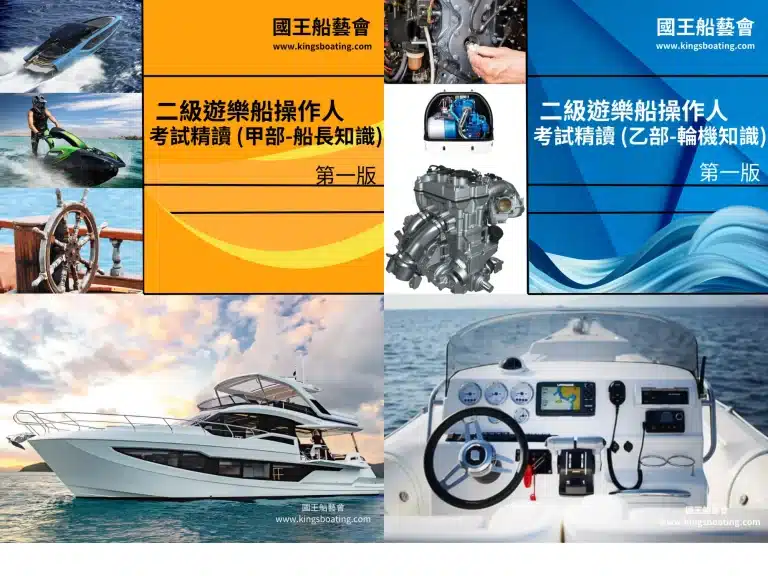
Boating is an gratifying natural action that combines stake, ease, and a connection with nature. Whether exploring lakes, rivers, or coastal waters, it is essential to operate a watercraft safely and legally. A Boat or Boating 船牌模擬試題 is a vital tool for achieving this, ensuring that boaters are skilled, adequate, and witting of refuge regulations and sailing rules.

Understanding a Boating Licence

A Boating Licence is an official document that authorizes individuals to run a boat. It indicates that the holder has consummated the necessary training in boating safety, navigation, and procedures. Regulations vary by commonwealth, but in most cases, trimotored boats over a certain size or engine major power require a certify.

Having a certify goes beyond legality. It demonstrates responsibility, enhances safety, and can meliorate get at to insurance policy reportage. Licensed operators are better equipt to wield emergencies, protect their passengers, and avoid accidents.

Types of Boat Licences

Boat licences are designed to suit different purposes and types of vessels:

Recreational Boating Licence For personal leisure, crime syndicate trips, or fishing.

Commercial Boating Licence Required for professional person activities, such as charters, tours, or transportation services.

Personal Watercraft(PWC) Licence Specific to jet skis and other small trimotored vessel.

International Certificate of Competence(ICC) Recognized internationally, allowing authorized operators to sail in naturalized Waters.

Selecting the right licence ensures specific training for your particular yachting natural action.

Who Should Obtain a Boating Licence?

A licence is usually mandatory for those who:

Operate trimotored boats prodigious a certain HP or engine size.

Use boats for commercial message purposes.

Navigate qualified or regulated waterways.

Even if facultative, obtaining a certify is highly recommended. It promotes safety, reduces risks, and gives confidence to operators navigating the water.

How to Obtain a Boating Licence

The stairs to get a boating license generally let in:

Enroll in a Boating Safety Course Learn navigation, safety, and procedures.

Pass the Written Exam Demonstrate sympathy of boating laws and safety guidelines.

Complete Practical Training Show competence in treatment a boat safely on irrigate.

Submit Application and Fees Provide the necessary documents and pay licensing fees.

Receive Your Licence Once sanctioned, you are lawfully allowed to operate your boat.

Completing these stairs ensures that you are prepared for a safe and responsible yachting undergo.

Boating Safety Tips

Even with a certify, practical safety is necessity. Always wear life jackets, supervise endure conditions, and keep communication aboard. Carry tools such as flares, fire extinguishers, and first aid kits. Avoid alcohol, keep an eye on zip limits, and abide by other vessels. Responsible yachting protects yourself, your passengers, and other water users, creating a safer environment for everyone.

Licence Renewal

Boating licences have a validity period of time and require renewal. Renewal may let in refresher course courses or updated assessments to stay advised about flow safety regulations and seafaring rules. Keeping your license up to date avoids sound penalties and ensures ongoing competency on the water.

Conclusion

A Boat Boating Licence is requisite for anyone who wants to enjoy boating safely, lawfully, and responsibly. It equips operators with the skills, knowledge, and trust to voyage waterways while protecting themselves, their passengers, and others. Whether for nonprofessional or commercial purposes, obtaining a license is the first step toward a procure and gratifying boating undergo. Enroll in certified courses, nail your assessments, and secure your licence to make every yachting venture safe and unforgettable.

In an era where smartphones and mobile connectivity are crucial to our daily lives, it’s easy to overlook the small chip that makes it all possible. The SIM card (Subscriber Identity Module) is often taken for granted, yet it plays an indispensable role in how we stay connected to the world. Whether you're making a call, sending a text, or browsing the internet, this tiny card is responsible for ensuring your device can communicate with your mobile network.

In this article, we will explore the functions, history, and future of SIM cards and how this small piece of technology continues to shape the mobile landscape.

What is a SIM Card?

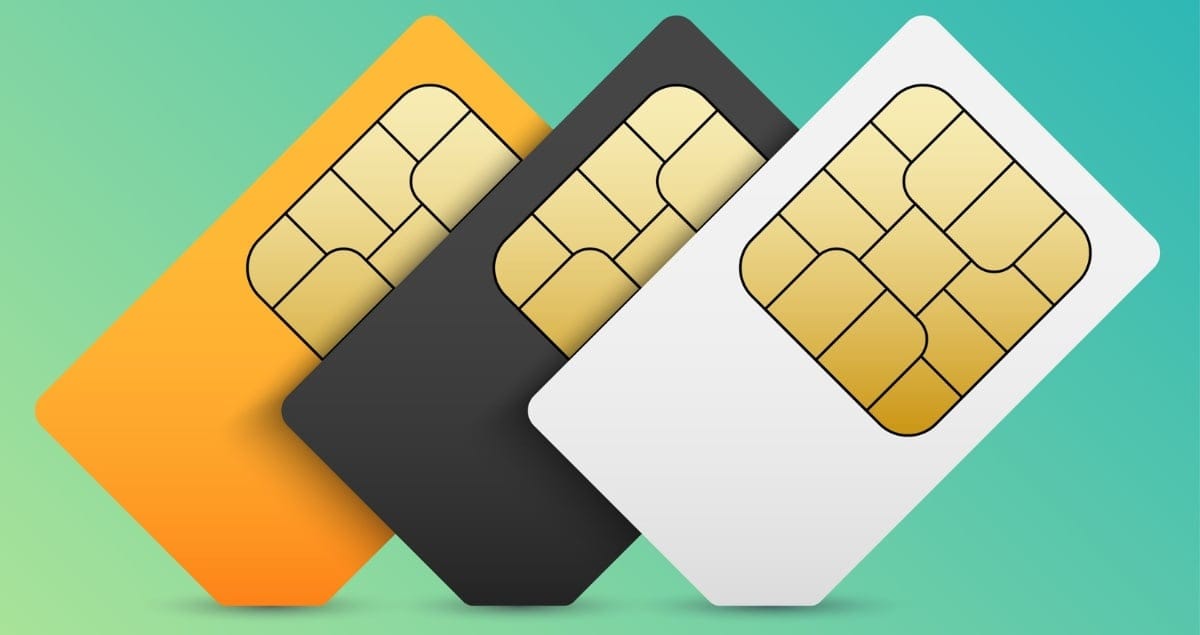
A SIM card is a small, removable smart card that serves as the key to accessing a mobile network. It contains critical information that allows a phone or other connected device to interact with a mobile carrier's network. This information includes your phone number, account details, subscriber identity, and encryption keys that ensure secure communication.

Without a SIM card, your mobile device can’t access cellular services like making calls, sending texts, or connecting to the internet. It’s the heart of mobile connectivity, enabling devices to authenticate users and securely access mobile services.

The History of SIM Cards

The journey of SIM cards began in the early 1990s with the rollout of GSM (Global System for Mobile Communications) networks. Before SIM cards, mobile phones were tied to specific carriers, making it difficult to switch phones or change carriers. The introduction of SIM cards allowed mobile phones to become much more flexible, as the SIM card stored the user’s identity and could be easily transferred between phones.

Over the years, as mobile phones became more compact and powerful, the design of SIM cards also evolved. Early SIM cards were quite large (the standard SIM), but as phones became slimmer and more compact, SIM card sizes followed suit.

Types of SIM Cards: From Standard to eSIM

SIM cards have evolved in terms of both design and functionality. Here's a look at the different types of SIM cards that have emerged over time:

  1. Standard SIM: The first SIM card to hit the market, the standard SIM was large and measured 25mm x 15mm. It was used in early mobile phones and is now considered obsolete, replaced by smaller sizes as mobile phones became thinner and more powerful.

  2. Micro SIM: The micro SIM card, introduced in 2003, measures 15mm x 12mm and became widely adopted with the rise of smartphones like the iPhone 4. While it’s still found in older devices, newer devices have moved on to smaller forms of SIM cards.

  3. Nano SIM: The nano SIM, which is the most common today, measures just 12.3mm x 8.8mm. This compact size is used in most modern smartphones, including flagship devices from companies like Apple, Samsung, and Google.

  4. eSIM: The most recent evolution of 數據漫遊 technology is the eSIM (embedded SIM). Unlike traditional SIM cards, eSIMs are embedded directly into the device and cannot be removed or swapped. eSIM technology allows for remote provisioning, meaning users can switch carriers or plans digitally, without needing a physical SIM card. This technology is becoming increasingly popular in devices like smartwatches, tablets, and future smartphones.

How SIM Cards Work

SIM cards work by storing your unique IMSI (International Mobile Subscriber Identity), which is used to authenticate your device when it connects to a mobile network. Here’s a simplified explanation of how a SIM card functions:

  1. Identification and Authentication: When you insert your SIM card into a mobile device, the device communicates with the carrier’s network. The network uses the IMSI number on the SIM card to authenticate your phone and verify that you’re allowed to use its services.

  2. Network Access: After authentication, the SIM card allows your device to access the network for services like calls, texts, and mobile data. The SIM card facilitates the secure connection between your device and the mobile carrier’s infrastructure.

  3. Encryption: SIM cards also provide security by storing encryption keys. These encryption keys ensure that any data sent over the network, such as phone calls or text messages, remains private and secure. Without this encryption, sensitive data could easily be intercepted or compromised.

  4. Roaming: SIM cards are also essential for roaming, which allows your device to stay connected when you travel internationally. When you’re in another country, you can swap your home SIM card for a local one to access cheaper rates for calls, texts, and data.

The Advantages of Using SIM Cards

SIM cards provide several key benefits that have made them indispensable to mobile communication:

  1. Portability and Flexibility: One of the biggest advantages of SIM cards is that they make it easy to switch devices. If you upgrade to a new phone or need to use a backup device, all you need to do is swap the SIM card, and your phone number and account information transfer with it.

  2. Global Connectivity: With a SIM card, you can easily access mobile networks across the globe. When you travel abroad, you can purchase a local SIM card for cheaper rates and avoid expensive international roaming charges. This global mobility is a major advantage for frequent travelers.

  3. Security: SIM cards use encryption to protect your communications, ensuring that your calls, texts, and mobile data are secure. Additionally, SIM cards can be locked with a PIN to prevent unauthorized access if your phone is lost or stolen.

  4. Dual SIM Capability: Many modern smartphones offer dual SIM functionality, which allows you to use two SIM cards in one device. This is especially useful for people who want to separate their work and personal phone numbers or those who need to use a local SIM while keeping their original number.

The Future of SIM Cards: eSIM and Beyond

While traditional SIM cards are still in use, the rise of eSIM technology marks a shift toward a future where physical SIM cards may eventually become obsolete. eSIM technology offers several key advantages:

  • Remote Activation: With eSIM, users can switch carriers or activate new service plans without needing to physically swap out SIM cards. This makes it easier to manage your mobile network and enjoy greater flexibility.

  • Space Efficiency: As eSIMs are embedded in the device itself, they free up valuable space, allowing for slimmer devices or additional features.

  • Multiple Profiles: eSIM technology allows multiple carrier profiles to be stored on the same device. This means that users can have different phone numbers or carrier plans for different regions, which is particularly useful for international travelers or business users.

While eSIM technology is still in the early stages, it’s gaining traction, with companies like Apple, Google, and Samsung already adopting eSIM in their devices. As 5G networks roll out and more IoT devices (like connected cars and smart home appliances) become commonplace, eSIMs are expected to become the standard for many mobile devices in the future.

Conclusion

The SIM card may be small, but it plays an essential role in how we stay connected in today’s world. From its humble beginnings in the early 1990s to the advent of eSIM technology, SIM cards have been at the heart of mobile communication. Their ability to authenticate users, provide secure connections, and offer flexibility has made them a cornerstone of modern mobile networks.

As mobile technology continues to evolve, the role of SIM cards will evolve with it. Whether in its traditional form or as part of the emerging eSIM technology, the SIM card will remain an indispensable link between us and the global mobile network, helping to keep us connected in an increasingly digital world.

Cardiology, the branch of medicine focused on the heart and its vascular system, is one of the most crucial and evolving fields in healthcare. The heart, responsible for pumping blood throughout the body, is at the core of our survival, making the study and treatment of heart diseases vital for improving quality of life and longevity. As one of the leading causes of death globally, heart disease demands constant attention from healthcare professionals, particularly cardiologists. This article explores the field of cardiology, its significant advancements, the role of cardiologists, and how we can take proactive steps to protect our heart health.

The Heart: A Complex Organ

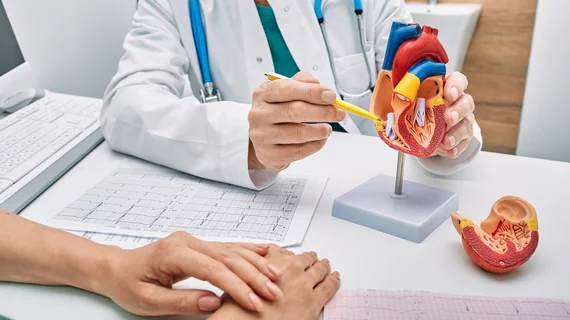
The human heart is an extraordinary organ, comprising four chambers: two atria and two ventricles. It serves as the body’s pump, sending oxygen-rich blood through the arteries to nourish the tissues while simultaneously returning deoxygenated blood to the lungs. This continuous process ensures that cells receive nutrients, remove waste, and stay alive.

While the heart is a remarkably efficient organ, it can become susceptible to various diseases, which can impact its ability to function. Cardiologists are the medical experts who specialize in diagnosing, treating, and preventing these conditions. Their knowledge of heart anatomy, blood flow, and electrical signals is essential to understanding and addressing heart problems.

The Major Categories of Heart Disease

Heart disease encompasses a wide variety of conditions that affect the structure and function of the heart. Understanding these conditions is crucial for managing heart health effectively. Here are the most common heart diseases:

  1. Coronary Artery Disease (CAD): Also known as ischemic heart disease, CAD occurs when the blood vessels supplying blood to the heart muscle become narrowed or blocked by fatty deposits called plaque. This impedes the flow of oxygenated blood to the heart and can lead to chest pain, heart attacks, or even heart failure. Preventing CAD often involves controlling risk factors such as high cholesterol, high blood pressure, and smoking.

  2. Heart Failure: This chronic condition occurs when the heart is unable to pump blood efficiently to meet the body’s needs. It can result from weakened heart muscles or an impaired heart valve function. Symptoms include fatigue, shortness of breath, and swelling. Treatment can include medications, lifestyle changes, or surgical procedures.

  3. Arrhythmias: These are abnormal heart rhythms that affect the electrical activity of the heart. Some arrhythmias, like atrial fibrillation, increase the risk of stroke and can cause dizziness or fainting. In severe cases, arrhythmias may require procedures like catheter ablation or implantation of pacemakers or defibrillators.

  4. Valvular Heart Disease: The heart contains four valves that help direct blood flow in one direction. When one or more of these valves become damaged—through narrowing, leakage, or prolapse—blood flow can become turbulent, leading to inefficient pumping and even heart failure. Valvular diseases can be treated with medications or surgeries like valve repair or replacement.

  5. Congenital Heart Defects: Some individuals are born with structural abnormalities in their heart. These congenital defects can range from mild to severe, requiring varying levels of intervention. Advances in pediatric cardiology now allow children born with congenital heart defects to live longer, healthier lives with appropriate treatment.

  6. Hypertension (High Blood Pressure): Although not directly a disease of the heart itself, high blood pressure is one of the leading risk factors for developing heart disease. It can strain the heart over time, leading to heart failure, kidney disease, and stroke. Managing blood pressure is crucial for preventing long-term heart issues.

The Role of Cardiologists in Heart Health

Cardiologists are experts in diagnosing and treating diseases of the heart and blood vessels. Their role is diverse, ranging from preventive care to emergency interventions and long-term disease management. Cardiologists specialize in various subfields, including:

  • Interventional cardiology: This involves using non-surgical methods, such as balloon angioplasty and stenting, to treat coronary artery disease and other conditions by improving blood flow.

  • Electrophysiology: Electrophysiologists specialize in the heart's electrical system, diagnosing and treating arrhythmias through methods like catheter ablation and the implantation of pacemakers or defibrillators.

  • Heart failure cardiology: This subfield focuses on managing patients with heart failure through medications, lifestyle adjustments, and advanced treatments like heart transplants or ventricular assist devices.

  • Pediatric cardiology: Cardiologists who specialize in pediatric care focus on diagnosing and treating congenital heart defects and other cardiovascular conditions in children.

  • Preventive cardiology: Preventive cardiologists work with patients to manage risk factors, such as high cholesterol, diabetes, and obesity, to reduce the likelihood of developing heart disease later in life.

Technological Advances in Cardiology

Advancements in technology have revolutionized the field of cardiology, offering new ways to diagnose, treat, and monitor heart disease. Some of the most noteworthy innovations include:

  1. Cardiac Imaging: Techniques like echocardiography, magnetic resonance imaging (MRI), and computed tomography (CT) scans enable cardiologists to see the heart’s structure in great detail. These non-invasive tests allow for the early detection of abnormalities and the monitoring of ongoing conditions, leading to more effective treatments.

  2. Minimally Invasive Procedures: With the advent of interventional cardiology, many procedures that once required open-heart surgery can now be performed through minimally invasive techniques. Balloon angioplasty, stenting, and transcatheter aortic valve replacement (TAVR) are examples of procedures that have reduced recovery time and improved outcomes.

  3. Wearable Devices: The rise of fitness trackers and smartwatches has given individuals the ability to monitor their heart health in real time. Many devices can track heart rate, detect irregular rhythms, and even alert healthcare providers if something goes wrong. This real-time monitoring allows for early intervention and better management of heart conditions.

  4. Artificial Intelligence (AI): AI is transforming the field of cardiology by helping doctors analyze large amounts of data quickly. AI systems can assist in diagnosing heart disease from medical images, predicting outcomes, and personalizing treatment plans for individual patients. These tools are designed to augment the capabilities of cardiologists, making diagnoses more accurate and treatment more tailored.

Prevention and Lifestyle Modifications

Preventing heart disease is one of the most important aspects of cardiology. While some risk factors like genetics cannot be controlled, many aspects of heart health can be influenced through lifestyle changes. Cardiologists focus on several key areas to reduce the risk of heart disease:

  • Exercise: Regular physical activity strengthens the heart and improves circulation. Cardiologists recommend at least 150 minutes of moderate-intensity aerobic exercise per week.

  • Diet: A heart-healthy diet rich in fruits, vegetables, whole grains, and lean proteins can reduce the risk of heart disease. Limiting saturated fats, salt, and processed foods helps maintain healthy cholesterol levels and blood pressure.

  • Smoking cessation: Smoking is one of the most significant risk factors for heart disease. Quitting smoking can dramatically lower the risk of coronary artery disease, stroke, and heart attack.

  • Stress management: Chronic stress can contribute to heart disease by raising blood pressure and increasing inflammation. Stress-reduction techniques, such as mindfulness, yoga, and meditation, are encouraged for heart health.

  • Regular health checkups: Regular visits to the doctor for blood pressure, cholesterol, and blood sugar checks are essential for early detection and management of 心臟病症狀 disease.

The Future of Cardiology

Cardiology continues to advance rapidly, with ongoing research into gene therapy, stem cell treatments, and new drug therapies. The future of cardiology will likely include more personalized treatments based on genetic information, as well as improvements in the use of AI and robotic surgery. These innovations have the potential to enhance the quality of care for heart disease patients and improve survival rates across the globe.

Conclusion

Cardiology is a dynamic and vital medical field that directly impacts the health and well-being of individuals worldwide. With heart disease remaining a top cause of death, the role of cardiologists in preventing, diagnosing, and treating heart conditions cannot be overstated. From advances in medical imaging and minimally invasive treatments to innovations in wearable technology, the future of cardiology looks promising. By focusing on prevention, early detection, and cutting-edge treatments, cardiologists are helping patients lead longer, healthier lives—ensuring that the heart continues to beat strong for years to come.