Kaiser Center Events

I Learned It By Watching online businesss!

Slot simple machine plan is a material element in shaping player behaviour and engagement. Modern slot machines are engineered with various features that impact how players interact with them. From gaudy visuals to immersive sound personal effects, each prospect is meticulously crafted to heighten the gaming undergo and further extended play. Adam789.

One of the most noticeable elements is the use of vibrant art and dynamic animations. These visible are designed to charm players and make a sense of excitement. When players see many-sided symbols and animations, it stimulates their senses and maintains their matter to. The exhilaration is further amplified by the voice effects that follow wins, adding to the overall vibrate of the game.

The concept of quot;near-misses quot; is another substantial factor in slot machine design. Near-misses fall out when symbols appear to forming a winning but fall just short. This can make a false sense of proximity to a win, supporting players to uphold spinning in hopes of striking the pot. Research has shown that near-misses can activate the mind 39;s repay centers, qualification players feel like they 39;re on the wand of a win, even when they rsquo;re losing.

Additionally, the inclusion of various incentive features, such as free spins and multipliers, enhances the gambling undergo. These features present additional layers of exhilaration and step-up the potency for bigger payouts. They also put up to the overall perception of value, as players feel they are getting more for their money when bonuses are mired.

The psychology of rewards also plays a substantial role in participant behavior. Slot machines often use sporadic support, where wins go on unpredictably. This volatility can lead to relentless play, as players are driven by the possibleness of a repay at any bit. The variable star pay back system keeps players engaged, as they are driven by the hope of hitting a big win.

Overall, the plan of slot machines is witting to maximise player involvement and encourage longer play sessions. By incorporating likeable visuals, vocalise effects, near-misses, and rewarding features, slot machines create an immersive see that captures and retains participant interest.

When it comes to interior design and decoration, the possibilities are endless. Every room offers unique opportunities to showcase your personal style while ensuring comfort and functionality. Whether you're designing a cozy apartment or a spacious family home, the key is balancing aesthetics with practicality.

In this comprehensive guide, we'll walk you through the fundamentals of interior design, provide helpful room-by-room decoration ideas, and share the latest trends to help you create the home of your dreams.

1. What is Interior Design and Decoration?

Interior design and decoration are often used interchangeably, but there are key differences. Interior design is a holistic approach to creating a functional and aesthetically pleasing environment, taking into account layout, furniture, lighting, and color. It’s about crafting a cohesive and well-planned space that aligns with the way people live and interact with their surroundings.

Interior decoration, on the other hand, focuses on the visual and aesthetic aspects of a space. It involves choosing and arranging furniture, textiles, colors, and accessories to enhance the look of a room. While interior design is more comprehensive, interior decoration is focused on beautifying existing spaces.


2. The Core Principles of Interior Design

A successful interior design project follows a few basic principles that ensure the space is balanced, harmonious, and visually appealing. These principles include:

  • Balance: Achieving balance in design refers to the distribution of visual weight in a space. You can achieve balance through symmetrical arrangements, asymmetrical layouts, or radial designs.

  • Proportion and Scale: Furniture and decor should be scaled to the room size. Too large or too small furniture can throw off the room’s proportions. The right scale helps create a sense of harmony.

  • Rhythm: Rhythm in design is achieved through repetition, progression, or transition. This could mean using repeating patterns or colors to lead the eye through the space.

  • Contrast: Contrast creates visual interest. Combining dark and light shades, smooth and rough textures, or complementary colors can make a room stand out.

  • Unity: Unity means creating a cohesive, connected look. All elements in the space should complement each other and contribute to the overall design theme.


3. Top Interior Design Styles

Your home can reflect your personality through its design style. Here are some of the most popular interior design styles:

  • Minimalist: This style focuses on simplicity, clean lines, and neutral colors. It often features functional, streamlined furniture and an emphasis on decluttered spaces.

  • Contemporary: Contemporary design constantly evolves to reflect current trends. It often combines elements of modern design with softer, more organic touches.

  • Traditional: This style embraces classic design elements like ornate furniture, elegant fabrics, and timeless color palettes. It often incorporates antiques and luxurious finishes.

  • Industrial: Inspired by urban lofts and factories, the industrial style celebrates raw materials like exposed brick, steel beams, and reclaimed wood. It has a rugged, edgy feel.

  • Scandinavian: Known for its simple, functional approach, Scandinavian design features light wood tones, clean lines, and cozy textiles. The focus is on creating a bright and inviting atmosphere.

  • Bohemian: Boho design is free-spirited and eclectic, with a mix of bold colors, textures, and patterns. It combines vintage, global, and contemporary elements to create an effortless, lived-in look.


4. Room-by-Room Decorating Ideas

Each room in your home has unique requirements and functions. Here’s how to approach decorating them:

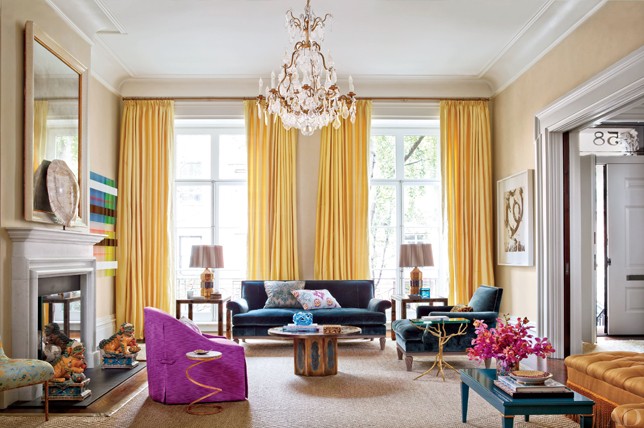
  • Living Room: This is where you'll likely spend most of your time, so it should be both stylish and comfortable. Start with a focal point like a fireplace or a large piece of artwork, then arrange your seating to promote conversation. Use accent pieces like cushions, throws, and rugs to introduce texture and color.

  • Kitchen: The kitchen is the heart of the home. Opt for cabinetry that maximizes storage and select countertops that are both durable and easy to clean. Install task lighting over cooking areas, and consider a bold backsplash to add character.

  • Bedroom: Your bedroom should feel like a sanctuary. Choose a comfortable bed as the focal point and build around it with cozy textiles like bedding, pillows, and throws. Soft, calming colors such as pastel blues or warm neutrals create a peaceful atmosphere.

  • Bathroom: A stylish bathroom is not just about looks but functionality. Choose fixtures and tiles that are easy to clean, and maximize storage with sleek vanities and shelving. Consider adding plants to bring in a natural touch.

  • Home Office: A well-designed home office can boost productivity. Invest in a comfortable ergonomic chair and a spacious desk. Use plenty of natural light and store essential items in organized cabinets or shelves to keep the space clutter-free.


5. Choosing the Right Color Scheme

Colors play a major role in shaping the atmosphere of a room. When selecting a color scheme, consider the following:

  • Warm Colors: Shades like red, orange, and yellow can create an energetic and inviting atmosphere. These are great for spaces like living rooms or dining rooms, where you entertain guests.

  • Cool Colors: Blues, greens, and purples evoke calm and tranquility. These shades are perfect for bedrooms and bathrooms, as they promote relaxation.

  • Neutral Colors: Grays, whites, and beiges are versatile and timeless. They provide a clean backdrop for other colors and allow you to experiment with bold accent pieces.

  • Accent Colors: Use pops of color in furniture, textiles, and artwork to create visual interest. Bright shades like teal, mustard yellow, or deep coral can be used sparingly to add character to neutral spaces.


6. Furniture: Finding the Perfect Pieces

Furniture selection is key to creating a functional and stylish home. Here are a few tips to consider:

  • Fit the Room: Ensure that the furniture you select is the right size for your space. Avoid overcrowding small rooms with bulky pieces and instead, look for scaled-down versions of essential furniture items.

  • Functionality: Prioritize functionality when selecting furniture, particularly for multi-purpose rooms. Consider pieces that offer storage or can serve multiple roles, like a sofa bed or an extendable dining table.

  • Comfort and Style: Choose furniture that not only looks good but is also comfortable. Upholstered pieces, such as sofas and chairs, should have soft, durable fabrics.


7. Lighting: Creating the Right Ambience

Lighting can drastically change the mood of a room. To create the perfect ambiance, incorporate three types of lighting:

  • Ambient Lighting: This is your general lighting that illuminates the entire room, such as overhead chandeliers or ceiling fixtures.

  • Task Lighting: Task lighting is focused on specific areas for work or hobbies, such as reading lamps, under-cabinet kitchen lights, or desk lamps.

  • Accent Lighting: Accent lighting highlights certain features, like artwork, plants, or architectural details. Wall sconces, track lighting, or picture lights can be used for this purpose.


8. Maximizing Small Spaces

Decorating small spaces presents a challenge, but there are many ways to make a room feel larger:

  • Use Light Colors: Lighter colors create the illusion of space. Opt for whites, light grays, or soft pastels to make a small room feel more open.

  • Multi-Functional Furniture: Choose furniture that serves more than one purpose. Fold-out desks, expandable tables, and storage ottomans are great options.

  • Vertical Storage: Use wall-mounted shelves or tall bookcases to keep the floor area clear and make the room feel less cluttered.


9. Sustainable and Eco-Friendly Design Choices

Sustainability is a growing trend in 室內設計 . Here are some ways to create a more eco-friendly home:

  • Use Recycled Materials: Opt for furniture and decor made from reclaimed wood, recycled glass, or repurposed metal.

  • Energy-Efficient Lighting: Replace incandescent bulbs with energy-saving LED lights to reduce your carbon footprint.

  • Eco-Friendly Paints: Choose low-VOC or zero-VOC paints to improve indoor air quality and reduce your environmental impact.

  • Sustainable Fabrics: Look for fabrics made from organic cotton, hemp, or recycled polyester, which have a smaller environmental impact.


10. Conclusion: Bringing Your Vision to Life

Interior design and decoration are about more than just choosing furniture and colors; they are about creating a space that reflects your personality and serves your daily needs. With careful planning and a thoughtful approach, you can transform any space into a beautiful, functional home that inspires.

By following the tips and techniques outlined in this guide, you’ll be well on your way to designing a space that is both stylish and welcoming. Whether you’re tackling a full renovation or simply updating a room, remember that great design starts with a clear vision and attention to detail.


Group shipping is an innovative logistics strategy that allows multiple businesses or individuals to consolidate their shipments into a single transport. This method significantly reduces costs, enhances efficiency, and promotes sustainability in supply chain operations. As industries strive for smarter logistics solutions, group shipping is gaining momentum as a preferred method for reducing expenses and improving overall delivery performance.

Advantages of Group Shipping

  1. Cost Reduction
    Businesses can save substantially by sharing transportation expenses rather than paying for individual shipments.

  2. Optimized Delivery Schedules
    Consolidated shipments streamline logistics, allowing for more predictable and efficient deliveries.

  3. Environmental Benefits
    Fewer transport vehicles on the road mean lower fuel consumption and reduced carbon emissions.

  4. Maximized Transport Efficiency
    Utilizing the full capacity of shipping containers or trucks minimizes waste and increases efficiency.

Common Challenges of 集運費用

  1. Complex Coordination
    Managing multiple shipments requires efficient planning and effective communication among stakeholders.

  2. Reduced Flexibility
    Unlike solo shipping, group shipping follows pre-arranged schedules, limiting last-minute modifications.

  3. Potential Delivery Delays
    Delays in one shipment can impact the overall delivery time for all grouped shipments.

Effective Strategies for Implementing Group Shipping

  1. Partner with Reliable Logistics Providers
    Choosing an experienced logistics company ensures smooth operations and timely deliveries.

  2. Use Advanced Tracking Technologies
    Digital tracking tools provide real-time visibility into shipments, enhancing coordination and efficiency.

  3. Plan Shipments in Advance
    Scheduling shipments ahead of time allows for better grouping opportunities and cost savings.

  4. Ensure Proper Packaging and Labeling
    Clear and secure packaging minimizes risks of damage and misplacement during transit.

Conclusion

Group shipping is a cost-effective, efficient, and environmentally friendly logistics solution that helps businesses optimize their shipping processes. While challenges exist, they can be mitigated through strategic planning, technology adoption, and collaboration with trusted logistics providers. As the logistics landscape continues to evolve, group shipping remains a powerful tool for businesses seeking to streamline their supply chains and maximize profitability.

Women’s healthcare is more than just doctor visits—it’s about complete well-being, including intimate wellness. Many women experience common issues like vaginal infections, dryness, itching, and odor, but often hesitate to seek help due to stigma. 私密處異味.

Ignoring intimate health can lead to discomfort and even long-term complications. That’s why adopting proper hygiene practices and using safe, gentle products is essential for maintaining a healthy and confident lifestyle.

Understanding Common Intimate Health Issues

Various factors such as hormonal changes, lifestyle habits, stress, and hygiene products can affect vaginal health. Some of the most common concerns include:

Bacterial Vaginosis (BV) – An imbalance of good and bad bacteria, causing odor and irritation.

Yeast Infections – Overgrowth of fungus due to excess moisture or antibiotics.

Vaginal Dryness – Often linked to menopause, stress, or certain medications.

Skin Sensitivity & Irritation – Caused by tight clothing, synthetic fabrics, or harsh soaps.

Using pH-balanced products and maintaining good hygiene can prevent these issues and promote overall intimate wellness.

Who Care Face: A Brand Committed to Feminine Health

Who Care Face is dedicated to women’s intimate well-being, offering dermatologist-tested, chemical-free, and pH-balanced products that support everyday freshness and confidence.

Top Intimate Care Products from Who Care Face

Gentle Intimate Wash – Cleanses while maintaining the natural pH balance.

Cranberry Probiotic Supplements – Helps prevent infections and supports vaginal health.

Moisturizing Gel for Dryness Relief – Provides long-lasting hydration and comfort.

Odor-Control Mist – Ensures all-day freshness and confidence.

Each product is free from harsh chemicals and safe for daily use, making intimate care effortless and effective.

Essential Intimate Care Tips for Women

Use a pH-balanced wash instead of harsh soaps.

Wear cotton underwear to allow breathability.

Stay hydrated and consume probiotics to maintain a healthy vaginal flora.

Avoid excessive douching, which can disrupt the natural bacterial balance.

Breaking the Silence Around Women’s Intimate Health

Many women suffer from intimate health issues in silence due to social stigma. Who Care Face is on a mission to change that by providing educational resources and high-quality products that empower women to take charge of their health.

Conclusion

Women deserve safe, effective, and gentle intimate care solutions. Who Care Face makes it easy to maintain freshness, comfort, and confidence every day. Intimate wellness is not just about hygiene—it’s about self-care, empowerment, and embracing a healthier you.

Interior design and decoration are powerful tools to make any space feel like home. Whether you're tackling a full renovation or just updating a room, the right design choices can improve the flow, functionality, and overall aesthetic of your space. From creating cozy, functional living rooms to stylish bedrooms and inspiring home offices, interior design is about bringing your personal style into every corner of your home.

In this article, we’ll explore key principles of 室內設計 , decorating tips for every room, and the latest trends to help you create a space that is both beautiful and functional.

1. What is Interior Design?

Interior design is the process of enhancing the interiors of a space to create environments that are both aesthetically pleasing and functional. Unlike interior decoration, which focuses on adding beauty, interior design considers the layout, spatial arrangements, lighting, color schemes, and the flow of a room. It combines creativity with practicality to ensure the space meets the needs of the people who live or work in it.

2. Core Elements of Interior Design

Effective interior design relies on several key elements, each of which helps to create a balanced and harmonious space:

  • Space: The most fundamental element of design. How you organize the space can dramatically impact how a room feels and functions.

  • Line: Lines are important in creating the structure of a space. Horizontal lines are calming, vertical lines create a sense of height, and diagonal lines add dynamism.

  • Form: Forms (shapes) create visual interest. A mix of geometric and organic forms can add balance and variety to a room.

  • Color: Color can influence mood and perception. Light colors can make a room feel larger, while darker tones create warmth and coziness.

  • Texture: Texture adds depth to your space. Mixing soft, smooth textures (like velvet or silk) with rougher ones (like wood or stone) creates a dynamic environment.

  • Light: Lighting plays a vital role in interior design. Layered lighting that includes ambient, task, and accent lighting can highlight focal points and create the desired atmosphere.

3. Design Styles You’ll Love

There are various interior design styles to choose from. Here are some popular ones:

  • Modern: This style is characterized by clean lines, minimalistic furniture, and neutral colors. It focuses on simplicity and function.

  • Contemporary: Evolving with current trends, this style blends elements from various design eras. It’s flexible and allows for experimentation.

  • Bohemian: Boho style is vibrant and eclectic, incorporating bold colors, varied textures, and patterns. It’s a free-spirited style that embraces individuality.

  • Industrial: With raw finishes like exposed brick, metal beams, and wood accents, industrial style creates an urban, unfinished look with plenty of character.

  • Farmhouse: Warm, rustic, and inviting, farmhouse style incorporates natural materials like wood, soft textiles, and vintage touches to create a cozy atmosphere.

  • Scandinavian: Known for its simplicity, Scandinavian design embraces functional pieces, natural light, and neutral tones with pops of color for visual interest.

4. Room-by-Room Decorating Tips

Each room in your home has its own unique design challenges. Here’s how to approach each one:

  • Living Room: The living room is often the focal point of your home. Choose a statement piece of furniture, like a sofa, and arrange seating to encourage conversation. Add personal touches with artwork, rugs, and lighting.

  • Kitchen: The kitchen should be both functional and inviting. Opt for durable, easy-to-clean surfaces, and include plenty of storage for an organized space. A bold backsplash or stylish lighting can add personality.

  • Bedroom: Your bedroom should be a serene, restful retreat. Focus on a comfortable bed with soft linens, and consider calming colors like blues, greens, or neutrals. A cozy reading nook or a stylish chair can add a touch of luxury.

  • Bathroom: Bathrooms should feel clean and spa-like. Simple, modern fixtures paired with elegant finishes like marble or tile can make your bathroom feel like a luxurious escape.

  • Home Office: A well-designed home office fosters productivity. Invest in ergonomic furniture, good lighting, and clever storage solutions to create an organized and inspiring workspace.

5. The Power of Color in Interior Design

Color is one of the most impactful elements of design, influencing mood, energy, and perception. Here’s how to use color effectively in your home:

  • Warm Colors: Reds, yellows, and oranges can create a vibrant, energizing atmosphere. These colors work well in spaces like kitchens and dining rooms where you want to encourage conversation.

  • Cool Colors: Blues, greens, and purples evoke calm and tranquility, making them ideal for bedrooms and bathrooms.

  • Neutral Colors: Whites, grays, and beige tones offer a versatile backdrop for any space. They can make rooms feel larger and lighter and allow you to experiment with more vibrant accents.

  • Accent Colors: Use bold, contrasting colors sparingly to create focal points and add personality to the room. Consider vibrant throw pillows, rugs, or artwork to introduce these shades.

6. Maximizing Small Spaces

When working with smaller rooms, clever design can make a big difference:

  • Use Multi-Functional Furniture: Look for pieces that serve multiple purposes, like sofa beds, fold-out tables, or ottomans with hidden storage.

  • Embrace Vertical Storage: Maximize your space by using shelves or wall-mounted storage to free up floor space.

  • Opt for Light Colors: Lighter colors can make a space feel larger and more open.

  • Keep It Clutter-Free: In smaller rooms, less is more. Prioritize functional pieces and keep surfaces clean to avoid overcrowding.

7. Interior Design Trends to Watch in 2025

As we move into 2025, several exciting interior design trends are on the horizon:

  • Sustainable Design: Eco-friendly materials like recycled glass, bamboo, and organic fabrics are becoming more popular, helping homeowners create stylish spaces that are also environmentally conscious.

  • Natural Elements: Incorporating nature into interiors, such as adding plants or using natural materials like stone and wood, helps create a calming, organic environment.

  • Bold Patterns and Colors: Expect to see bold, contrasting patterns, especially in textiles like cushions, rugs, and wall coverings. Vibrant hues will continue to be on-trend.

  • Technology Integration: Smart homes will continue to rise in popularity, with designs that incorporate technology for lighting, security, and climate control.

8. Eco-Friendly Interior Design

Sustainability is becoming increasingly important in interior design. Here are ways to incorporate eco-friendly elements into your home:

  • Use Sustainable Materials: Opt for furniture and decor made from natural, renewable materials like bamboo, cork, and reclaimed wood.

  • Choose Energy-Efficient Fixtures: LED lights, energy-efficient appliances, and low-flow fixtures can help reduce your energy consumption.

  • Repurpose and Upcycle: Instead of buying new, consider upcycling old furniture or finding vintage pieces that can be restored.

9. Conclusion: Create a Home That Reflects Your Style

Interior design is all about creating a space that reflects your personality while being functional and comfortable. By following these tips, you can transform any room into a stylish, welcoming environment. Whether you’re going for a minimalist vibe, a cozy farmhouse feel, or something more eclectic, the key is to design a space that works for you. Your home should be a reflection of who you are and how you live.