In the modern classroom, teachers constantly seek innovative tools to make learning engaging and interactive.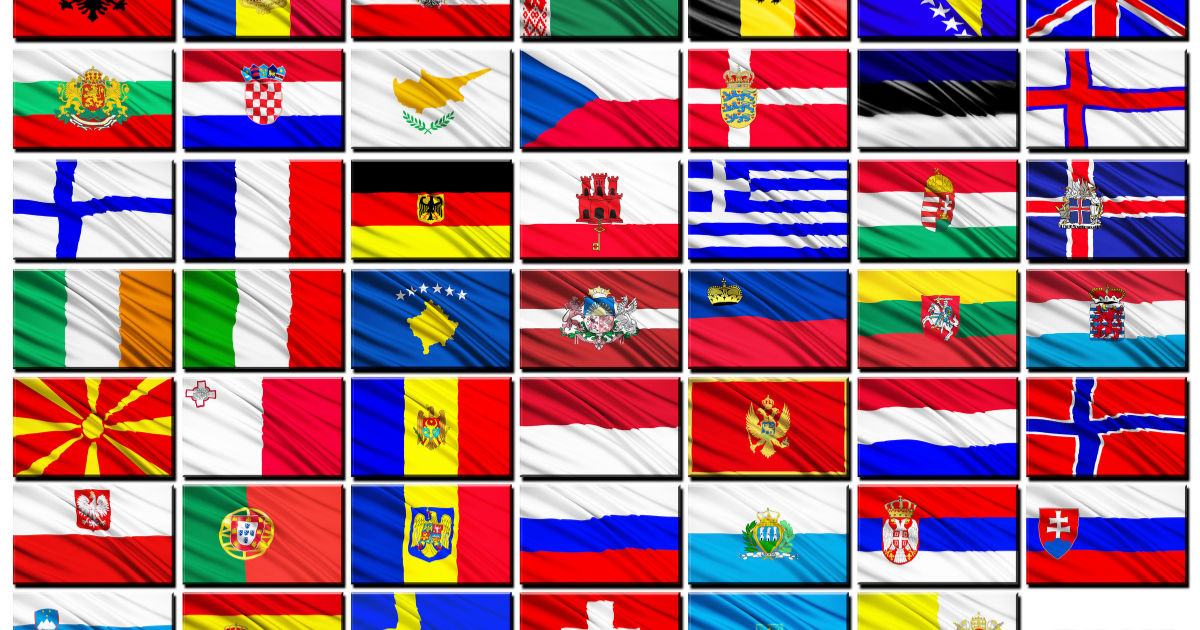
One such tool gaining popularity is the Random country generator. This digital or offline resource allows educators to randomly select countries for various classroom activities, making lessons dynamic and fostering a global perspective among students. In this comprehensive guide, we will explore the concept, benefits, applications, and practical tips for integrating a random country generator into classroom activities.
Understanding a Random Country Generator
A Random country generator is a tool designed to randomly pick a country from a pre-defined list, typically covering all recognized nations. These generators can be found online as websites or apps, or created offline using simple methods like drawing country names from a hat.
The main purpose of this tool is to remove bias in selection and to introduce an element of surprise and spontaneity into classroom activities. It is especially effective in subjects like geography, social studies, world history, and international relations, where knowledge about countries, cultures, and global events is essential.
Benefits of Using a Random Country Generator in Class
Using a Random country generator in educational settings offers multiple advantages:
Encourages Fair Participation
When a country is selected randomly, every student has an equal chance of being assigned any nation. This prevents favoritism and ensures inclusivity, making the classroom environment fair and democratic.
Enhances Global Awareness
By assigning students countries they might not be familiar with, the generator encourages them to explore diverse cultures, languages, and traditions. This approach broadens their global perspective and builds cultural sensitivity.
Boosts Engagement and Motivation
The element of surprise keeps students attentive and motivated. When learners do not know which country they will receive, they are more likely to actively participate and put effort into research and presentations.
Supports Interactive Learning
A Random country generator fosters active participation rather than passive listening. Students can present their findings, create posters, or engage in debates, turning the classroom into an interactive and collaborative learning space.
Applications in Classroom Activities
There are multiple ways a Random country generator can be integrated into classroom activities:
Geography Lessons
Teachers can assign countries randomly for mapping exercises. Students can locate their assigned country on a map, study its climate, topography, and neighboring nations. This method reinforces spatial awareness and map-reading skills.
Cultural Presentations
Students can be asked to research their randomly assigned country’s culture, traditions, cuisine, festivals, and famous personalities. They can then create multimedia presentations or role-play scenarios to share with the class.
History Projects
A Random country generator can be used to assign nations for historical research. Students might explore a country’s role in global conflicts, revolutions, or movements. This approach helps them connect historical events to specific nations, deepening comprehension.
Language Learning
For language classes, randomly assigning countries where a particular language is spoken can help students practice linguistic skills while learning about the country’s culture. For example, assigning France for French language practice allows students to explore cultural idioms, popular phrases, and local customs.
Debates and Discussions
Teachers can divide students into groups and assign different countries using the random generator. Students can then engage in debates on global issues, such as climate change, trade, or international policies, representing their assigned nations. This builds research, critical thinking, and public speaking skills.
Quiz and Game-Based Learning
Random country generators are excellent for interactive classroom games. Teachers can create quizzes, trivia, or “country challenges” where students earn points for correct answers related to the assigned country. Gamified learning enhances retention and student enthusiasm.
How to Use a Random Country Generator Effectively
Simply using a Random country generator is not enough; it must be strategically implemented for maximum learning impact. Here are practical tips:
Align Activities with Learning Goals
Always ensure the activity aligns with the curriculum and learning objectives. Whether it’s a geography mapping exercise or a cultural presentation, clarity of purpose enhances educational value.
Prepare Guidelines and Resources
Provide students with clear instructions and a list of credible resources to research their assigned countries. This support ensures they focus on learning rather than struggling to find information.
Encourage Creativity
Allow students to present information creatively. They can use PowerPoint, posters, videos, or even interactive models. Creativity enhances engagement and makes the learning experience memorable.
Facilitate Group Work
Consider assigning countries to groups rather than individuals, especially for larger classes. Collaboration encourages teamwork, discussion, and collective problem-solving.
Follow-Up Discussions
After activities, organize class discussions to reflect on findings. Encourage students to compare cultures, economies, and political systems of the randomly assigned countries. This reflection solidifies understanding and builds analytical skills.
Creating Your Own Random Country Generator
While many online tools are available, teachers can also create their own Random country generator offline. Here’s a step-by-step guide:
Step 1: List Countries
Prepare a list of countries. Depending on your activity, you may include all recognized nations or focus on a specific continent or region.
Step 2: Choose a Selection Method
Several methods work effectively:
-
Draw country names from a hat or box.
-
Assign numbers to each country and use a dice or random number generator to select one.
-
Use digital spreadsheets with randomization formulas.
Step 3: Assign and Track
Keep a record of assigned countries to avoid repetition in the same class session. Tracking ensures diversity and fairness.
Step 4: Integrate Activities
Pair the generated countries with appropriate classroom activities, such as presentations, map exercises, or debates.
Tips for Maximizing Learning Outcomes
Encourage Research Skills
A Random country generator encourages independent research. Teachers should emphasize evaluating sources, taking notes, and summarizing information effectively.
Promote Cultural Sensitivity
Students should be guided to approach their assigned countries with respect and curiosity. Discussions should emphasize appreciation rather than stereotyping.
Include Technology
Digital tools and apps can make random country selection seamless. Some websites also provide additional facts, maps, and visuals that can enhance classroom activities.
Connect with Real-World Events
Link the activities to current events or global news to make learning relevant. For example, if a student is assigned Brazil, discussions can include topics like the Amazon rainforest or recent political developments.
Reflect and Evaluate
End each activity with reflection questions. Ask students what surprised them, what they learned, and how their perspective changed. This reflection reinforces long-term retention.
Challenges and Solutions
While the Random country generator is a versatile tool, it comes with potential challenges:
Challenge: Unequal Knowledge
Some students may be assigned countries they know little about, leading to initial discomfort.
Solution: Provide guidelines, research tools, and optional collaboration with peers.
Challenge: Repetition of Countries
In large classes, some countries might be repeated.
Solution: Keep a checklist of assigned countries or use digital generators that track previous selections.
Challenge: Overwhelming Information
Students might find too much information about a country overwhelming.
Solution: Encourage focusing on key aspects like geography, culture, history, and notable facts relevant to the activity.
Challenge: Engagement Levels
Not all students may be equally enthusiastic about random assignments.
Solution: Add a gamified element or competitive aspect to increase motivation. Reward effort and creativity.
Online Tools for Random Country Selection
Several digital tools make random country generation easy and engaging:
-
Random.org: Offers random selection from a list and allows educators to customize options.
-
Wheel of Names: A visual spinning wheel that randomly selects a country, adding excitement to classroom activities.
-
ClassTools.net: Provides interactive games and randomization features tailored for education.
These tools are accessible, easy to use, and enhance the fun and interactive aspect of classroom learning.
Integrating a Random Country Generator Across Subjects
The versatility of a Random country generator allows it to be used beyond geography:
Social Studies
Explore political systems, economic policies, and international relations of assigned countries.
Literature
Study authors, folktales, and literary movements from different nations.
Science
Investigate environmental issues, biodiversity, or technological innovations by country.
Art and Music
Research traditional art forms, music styles, and famous artists from assigned countries.
Real-Life Classroom Examples
-
Geography Mapping Activity: Students locate their assigned country on a world map and present key geographical facts.
-
Cultural Fair: Each student or group sets up a booth representing their assigned country, showcasing food, traditional attire, and facts.
-
Debate Simulation: Students represent countries in global issues debates, practicing diplomacy and argumentation.
These examples show that a Random country generator can transform ordinary lessons into interactive learning experiences.
Conclusion
A Random country generator is a powerful educational tool that promotes fairness, engagement, and global awareness. By integrating this tool into classroom activities, teachers can create interactive, dynamic, and inclusive learning experiences. From geography and culture to debates and projects, the applications are diverse and impactful.
When used thoughtfully, the generator encourages research skills, cultural sensitivity, teamwork, and creativity. With both digital and offline options, it can be tailored to any classroom, subject, or grade level. Ultimately, this tool helps students develop a broader perspective of the world, fostering curiosity, understanding, and appreciation for global diversity.
Educators seeking to enrich classroom experiences should consider incorporating a Random country generator into their teaching strategy. By doing so, lessons become not just informative but memorable, exciting, and truly educational.