
Acne is one of the most common skin concerns experienced by people with hormonal imbalances, especially those dealing with polycystic ovary syndrome (PCOS). Many individuals notice persistent breakouts, oily skin, and painful pimples that do not always respond to regular skincare products.
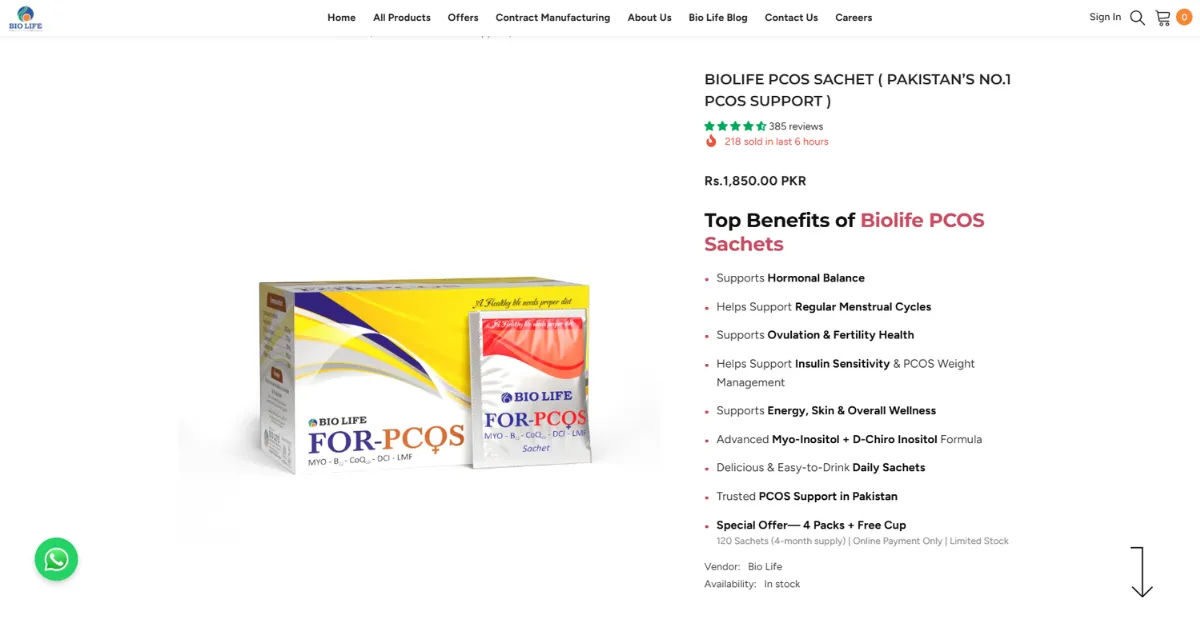
This is why many people explore whether PCOS Supplements can help improve acne and support healthier skin.PCOS is a hormonal condition that affects many areas of the body, including the skin. Increased androgen levels, insulin resistance, inflammation, and hormonal fluctuations can contribute to acne development. While skincare routines and medical treatments can help, some people consider PCOS Supplements as an additional approach to manage symptoms naturally.
Understanding how PCOS Supplements work, what ingredients they contain, and whether they can actually support acne improvement is important before adding them to a wellness routine. This guide explains the connection between PCOS, hormones, acne, and supplements in a simple and detailed way.
The Link Between PCOS and Acne
PCOS is a hormonal disorder that affects ovarian function and hormone balance. One of the major reasons acne occurs in people with PCOS is the increased production of male hormones called androgens.
Although androgens are naturally present in everyone, higher levels can stimulate the skin’s oil glands. This increased oil production can clog pores and create an environment where acne-causing bacteria can grow.
Many people with PCOS experience acne in areas that are commonly linked with hormonal breakouts, such as:
-
Jawline
-
Chin
-
Lower cheeks
-
Neck area
Unlike occasional pimples, hormonal acne related to PCOS can be persistent and may continue even with proper cleansing and skincare.
Why Hormonal Imbalance Causes Acne
Hormones play an important role in maintaining healthy skin. When hormone levels become unbalanced, several changes can occur.
Increased Androgen Activity
Higher androgen levels can increase sebum production. Sebum is the natural oil produced by the skin. When too much oil is produced, pores can become blocked, leading to inflammation and acne.
Insulin Resistance
Many people with PCOS also experience insulin resistance. This means the body does not respond effectively to insulin, causing the body to produce more insulin to maintain normal blood sugar levels.
Higher insulin levels may encourage the ovaries to produce more androgens, which can worsen hormonal acne.
Inflammation
PCOS is often associated with increased inflammation in the body. Chronic inflammation can affect skin health and may make acne symptoms more difficult to control.
Because PCOS involves several connected issues, some individuals use PCOS Supplements to support hormonal balance, insulin sensitivity, and overall wellness.
Can PCOS Supplements Help Reduce Acne?
The effectiveness of PCOS Supplements depends on the ingredients, the individual’s health condition, and the underlying cause of acne.
Supplements do not work like instant acne treatments. Instead, they may support the body’s natural processes that influence hormone regulation and skin health.
Some people notice improvements when supplements are combined with healthy lifestyle choices, proper nutrition, exercise, and suitable skincare.
However, results can vary from person to person. What works for one individual may not provide the same results for another.
Key Ingredients Commonly Found in PCOS Supplements
Different PCOS Supplements contain different ingredients. Some commonly used nutrients and compounds have been studied for their possible role in supporting PCOS symptoms.
Inositol
Inositol is one of the most popular ingredients found in many PCOS-focused supplements.
It may help support insulin sensitivity and hormone regulation. Since insulin resistance can contribute to increased androgen levels, improving insulin balance may indirectly support clearer skin.
Some studies suggest that inositol may help improve certain PCOS symptoms, including hormonal imbalance.
Zinc
Zinc is an essential mineral that supports immune function and skin health.
It may help reduce inflammation and support normal skin repair. Because acne involves inflammation, zinc is often included in products designed to support clearer skin.
Vitamin D
Vitamin D plays a role in immune health and inflammation control.
Some individuals with PCOS have low vitamin D levels, and maintaining healthy levels may support overall hormonal wellness.
Omega-3 Fatty Acids
Omega-3 fatty acids are known for their anti-inflammatory properties.
Since inflammation can contribute to acne severity, omega-3s may help support healthier skin when included as part of a balanced approach.
Chromium
Chromium is another ingredient sometimes included in PCOS Supplements because it may support blood sugar regulation.
Better blood sugar control may help manage insulin-related issues associated with PCOS.
How PCOS Supplements May Support Acne Improvement
The relationship between PCOS Supplements and acne is mainly connected to addressing internal factors rather than directly treating pimples.
Supporting Hormonal Balance
Hormonal fluctuations are a major reason many people with PCOS develop acne.
Certain supplements may support the body’s natural hormone regulation processes, which could reduce the factors that contribute to breakouts.
Improving Insulin Management
Since insulin resistance can increase androgen activity, improving insulin sensitivity may help reduce hormonal triggers linked with acne.
Some PCOS Supplements are designed specifically to support metabolic health, which may benefit people whose acne is connected with insulin issues.
Reducing Inflammation
Inflammation can make acne more noticeable and uncomfortable.
Nutrients with anti-inflammatory properties may support healthier skin conditions over time.
Are PCOS Supplements a Replacement for Acne Treatment?
Although PCOS Supplements may provide support, they should not always replace medical acne treatments.
Severe acne, painful cysts, scarring, or sudden skin changes may require professional guidance.
Dermatologists and healthcare providers may recommend treatments such as:
-
Prescription creams
-
Hormonal treatments
-
Oral medications
-
Lifestyle adjustments
Supplements are generally considered a supportive option rather than a complete solution.
How Long Do PCOS Supplements Take to Show Results?
Many people expect quick results when starting supplements, but hormonal changes usually take time.
The body needs time to adjust, and improvements may take several weeks or months depending on the person and the cause of acne.
Consistency is important. Taking PCOS Supplements regularly, following a balanced diet, exercising, and maintaining healthy habits can create better long-term support.
Lifestyle Changes That Can Improve PCOS-Related Acne
Supplements work best when combined with healthy daily habits.
Follow a Balanced Diet
A diet focused on whole foods may support hormone and blood sugar balance.
Helpful choices may include:
-
Vegetables
-
Lean proteins
-
Whole grains
-
Healthy fats
-
Low-sugar foods
Reducing excessive processed foods and high-sugar snacks may help some individuals manage insulin-related concerns.
Exercise Regularly
Physical activity can support insulin sensitivity and overall hormonal health.
Activities such as walking, strength training, yoga, and other exercises may contribute to better PCOS management.
Manage Stress
Stress can influence hormone levels and may worsen acne for some people.
Relaxation techniques, proper sleep, and stress management practices can support overall wellness.
Maintain a Good Skincare Routine
Internal health and external skincare both matter.
A gentle skincare routine may include:
-
Mild cleansing
-
Non-comedogenic products
-
Moisturizing
-
Sun protection
Avoiding harsh products that irritate the skin can also help maintain balance.
Things to Consider Before Taking PCOS Supplements
Before starting any supplement, it is important to consider individual health needs.
Check the Ingredients
Different products contain different combinations of nutrients. Understanding what a supplement contains helps avoid unnecessary ingredients.
Consult a Healthcare Professional
People with existing health conditions, those taking medications, or those who are pregnant should seek professional advice before using supplements.
Choose Quality Products
The quality of supplements can vary. Choosing reliable products with clear ingredient information is important.
Common Myths About PCOS Supplements and Acne
Myth: Supplements Cure PCOS Acne Completely
Supplements may support symptom management, but they do not cure PCOS or guarantee acne removal.
PCOS is a complex condition that often requires a combination approach.
Myth: Results Happen Overnight
Hormonal balance takes time. Most supportive approaches require patience and consistency.
Myth: All Supplements Work the Same
Different people respond differently. The effectiveness of PCOS Supplements depends on personal health factors, lifestyle, and the specific ingredients used.
Who May Benefit from PCOS Supplements?
People who may consider PCOS Supplements often include those experiencing:
-
Hormonal imbalance symptoms
-
Irregular menstrual cycles
-
Insulin resistance concerns
-
Acne linked with PCOS
-
Difficulty managing PCOS symptoms through lifestyle alone
However, supplements should be viewed as part of a broader health plan.
Conclusion
The answer depends on the individual situation. PCOS Supplements may help support acne improvement by addressing some internal factors connected with PCOS, such as hormonal imbalance, insulin resistance, and inflammation.
While they are not a guaranteed acne cure, they may provide additional support when combined with proper nutrition, exercise, skincare, and professional medical advice when needed.
Choosing the right approach requires understanding the cause of acne rather than focusing only on the visible symptoms. For people whose acne is connected with PCOS-related hormonal changes, PCOS Supplements may be a useful addition to a complete wellness routine.
The best results usually come from a balanced strategy that supports the body from the inside while caring for the skin from the outside. With consistency, patience, and the right approach, many people can better manage PCOS symptoms and work toward healthier skin.