
Kaiser Center Events

I Learned It By Watching online businesss!

In today's fast-paced world, customized tees have emerged as a game-changer in the fashion industry. Whether for personal expression, branding, or gifting, a personalized t-shirt offers unique designs, personal identity, and limitless creativity. With advanced printing techniques and accessible design tools, anyone can create a one-of-a-kind t-shirt that reflects their personality or brand.

The Growing Demand for Personalized T-Shirts

The global market for customized t-shirts is booming. Businesses, influencers, and individuals are turning to custom t-shirts to showcase their style or promote their brands. Some key reasons for this surge include:

  • Branding and Marketing: Companies use 公司制服 tees as promotional tools.

  • Personal Expression: Individuals love expressing their unique styles and beliefs.

  • Event Memorabilia: Family reunions, sports teams, and corporate events rely on custom tees.

  • E-Commerce Boom: Print-on-demand platforms make customization accessible to everyone.

How to Design a Customized Tee

Creating a customized t-shirt is now easier than ever, thanks to various online platforms and printing services. Here’s a step-by-step guide to designing your perfect tee:

1. Choose the Right Fabric

The material of your t-shirt plays a crucial role in its comfort and durability. Popular choices include:

  • Cotton: Soft, breathable, and comfortable for daily wear.

  • Polyester: Moisture-wicking and durable, ideal for sports and activewear.

  • Blends: A mix of cotton and polyester offers the best of both worlds.

2. Select the Perfect Fit

A well-fitting t-shirt enhances comfort and style. Some common styles include:

  • Regular Fit: Classic and versatile for any occasion.

  • Slim Fit: Tailored to provide a modern and stylish look.

  • Oversized: Perfect for streetwear and casual fashion.

3. Create Your Design

Your design is what makes your custom tee unique. Consider the following elements:

  • Typography: Choose stylish fonts that align with your message.

  • Graphics & Logos: Upload your own images or use pre-made templates.

  • Colors: Use contrasting colors to make your design pop.

  • Placement: Decide where the design will go (front, back, sleeve, or all-over print).

4. Select a Printing Method

Different printing techniques affect the quality and longevity of your design. Popular methods include:

  • Screen Printing: Ideal for bulk orders, offering high-quality and durable prints.

  • Direct-to-Garment (DTG): Best for detailed and colorful designs with a soft feel.

  • Heat Transfer Vinyl (HTV): Great for small orders and custom lettering.

  • Sublimation Printing: Works best on polyester for vibrant, full-color prints.

Top Platforms for Customizing Tees Online

Many online platforms allow users to design and order custom t-shirts effortlessly. Some of the best options include:

  • Printful: Seamless integration with e-commerce platforms.

  • TeeSpring: Ideal for influencers and entrepreneurs.

  • Custom Ink: Great for team orders and bulk printing.

  • Redbubble: A marketplace for artists to sell their designs.

Customized Tees for Businesses

Many companies use custom t-shirts as a branding tool. Here’s why businesses should invest in personalized tees:

  • Enhance Brand Visibility: Employees wearing branded t-shirts help with marketing.

  • Team Unity: Uniforms create a sense of belonging among employees.

  • Customer Engagement: Giveaways and promotional tees boost customer loyalty.

Customized Tees for Personal Use

For individuals, custom tees provide a way to express personal style. Some ideas include:

  • Graphic Tees: Showcase your favorite bands, quotes, or pop culture references.

  • Minimalist Designs: Simple and stylish typography-based tees.

  • Photo Tees: Print personal photos for unique keepsakes.

  • Matching Outfits: Perfect for couples, families, or group events.

Sustainable and Eco-Friendly Custom T-Shirts

With sustainability becoming a priority, many brands offer eco-friendly custom tees made from organic cotton, bamboo, or recycled materials. Choosing sustainable printing methods like water-based inks and biodegradable packaging ensures a lower carbon footprint.

Conclusion

Customized t-shirts are more than just fashion; they are a statement of individuality, branding, and creativity. With numerous design tools and printing techniques available, creating a one-of-a-kind tee has never been easier. Whether for personal use or business promotion, a customized tee is a timeless investment.
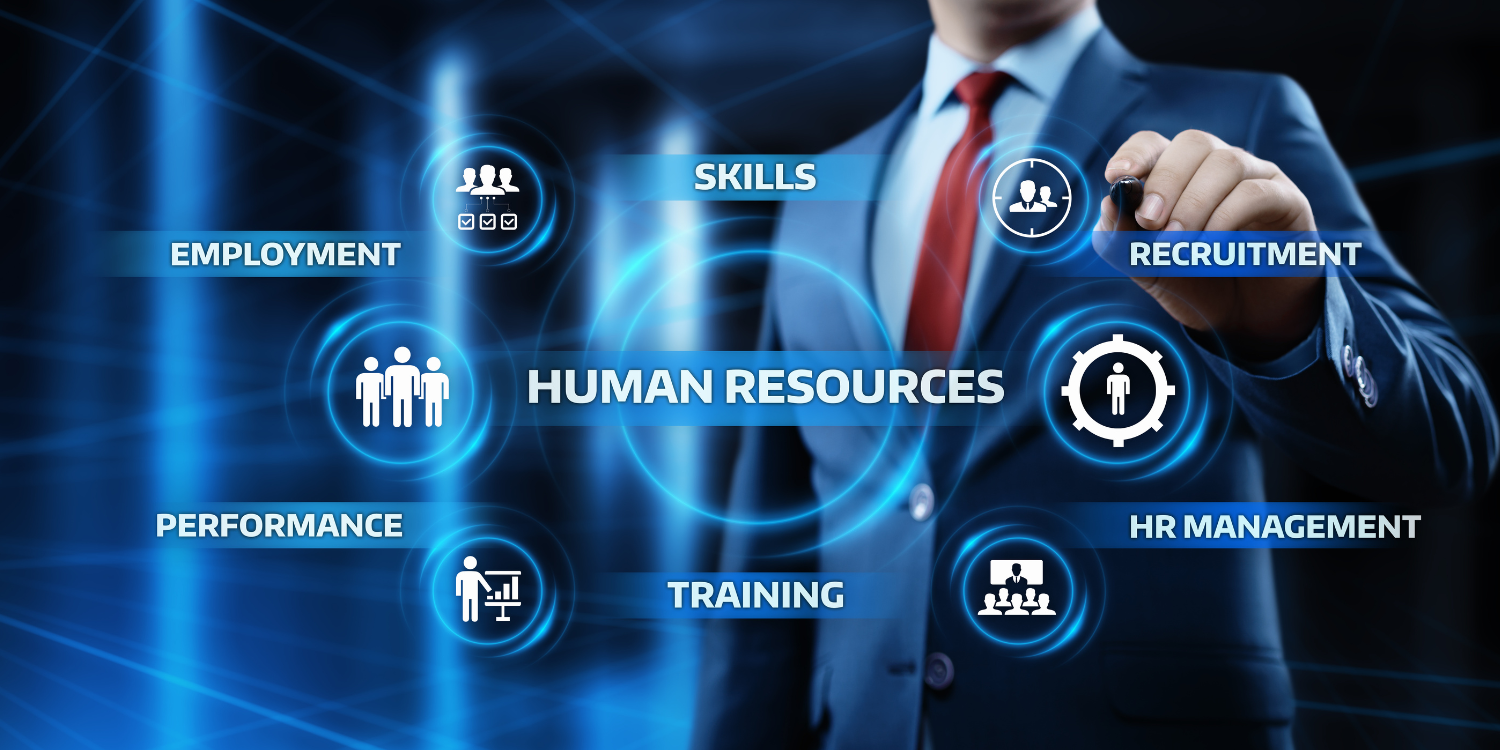

Human Resource (HR) management has undergone a significant transformation over the past few decades. What was once a primarily administrative function focused on payroll, recruitment, and benefits has evolved into a strategic and data-driven discipline that plays a critical role in shaping organizational success. At the heart of this evolution is the development of HR systems, which have moved from simple software solutions to complex, integrated platforms that enable businesses to manage, develop, and retain their workforce effectively.

This article explores how HR systems have evolved over time, from traditional tools to modern solutions that are driving organizational growth, innovation, and employee engagement.

The Early Days: Administrative Tools for HR Efficiency

Historically, HR tasks were manually intensive. From keeping track of paper files to processing payroll, HR departments were bogged down with repetitive and time-consuming administrative work. In the early stages of HR technology, systems were designed mainly for administrative efficiency, offering solutions for basic functions like record-keeping, payroll processing, and benefits administration.

Key Features of Early HR Systems:

  1. Payroll Automation: Early HR systems automated payroll calculations, reducing errors and the administrative burden of manually processing employee paychecks.
  2. Employee Records Management: Systems were developed to digitize employee records, which were previously stored in paper files. This made it easier to retrieve important employee information and maintain compliance.
  3. Time and Attendance Tracking: Basic time-tracking systems were introduced to record employee working hours, sick leave, and vacation days, ensuring businesses could manage attendance accurately.

Though HR systems at this time primarily served as tools for streamlining administrative tasks, they laid the foundation for the more advanced functionalities we see today.

The Rise of Integrated HR Systems: A Broader Scope

As businesses began to recognize the importance of talent management and employee development, HR systems evolved to encompass a broader set of functions. The introduction of Human Resource Management Systems (HRMS) and Human Resource Information Systems (HRIS) marked the shift from standalone administrative tools to more comprehensive platforms that provided a unified approach to managing the workforce.

In the 1990s and early 2000s, HRMS platforms began integrating multiple functions under one umbrella, moving beyond payroll and benefits administration to include:

  1. Recruitment and Talent Acquisition: Early HRMS systems began to support recruitment by allowing HR departments to manage job postings, candidate tracking, and interview scheduling all within a single platform. This shift streamlined the hiring process, helping organizations attract and onboard top talent.
  2. Performance Management: HR systems introduced tools for tracking employee performance through periodic reviews, goal-setting, and feedback. These systems allowed organizations to set expectations, measure results, and identify areas for development.
  3. Learning and Development (L&D): With the growing importance of employee growth and career development, HR systems integrated features that allowed employees to access training modules, certifications, and other learning opportunities. This helped organizations foster a culture of continuous improvement.
  4. Employee Self-Service Portals: HR systems started offering self-service portals that empowered employees to access and update their personal information, track benefits, request time off, and access training materials, further reducing the administrative burden on HR departments.

These integrated platforms not only streamlined HR processes but also enabled businesses to better manage the lifecycle of their employees—from recruitment to retirement—within a single system.

The Shift to Cloud-Based HR Solutions: Accessibility and Scalability

The next major leap in the evolution of HR systems came with the advent of cloud-based HR software. In the mid-2000s, HR departments began to move away from on-premise solutions to cloud-based platforms, offering improved accessibility, scalability, and real-time collaboration. Cloud-based HR systems became particularly beneficial for large organizations and companies with distributed teams, as employees could access the platform from anywhere with an internet connection.

Key Benefits of Cloud HR Systems:

  1. Accessibility and Flexibility: Cloud-based HR systems provide employees and HR teams with access to HR tools and data from any device, anywhere in the world. This flexibility is especially important for organizations with remote or hybrid workforces.
  2. Scalability: Cloud systems are scalable, meaning they can easily grow with an organization. Whether an organization is expanding globally or growing its workforce domestically, a cloud-based system can accommodate this expansion without requiring significant infrastructure changes.
  3. Cost Efficiency: Cloud-based systems are typically subscription-based, reducing upfront costs for businesses. This allows smaller organizations to access advanced HR features without the financial burden of maintaining on-premise hardware and software.
  4. Automatic Updates: Cloud platforms regularly update their software, ensuring that HR systems stay current with the latest features, security patches, and regulatory compliance standards. This eliminates the need for manual software upgrades.

Cloud-based systems were a game-changer, making HR software more accessible, affordable, and capable of handling the growing demands of modern organizations.

The Age of Data-Driven HR: Analytics and AI Integration

As technology continued to evolve, the focus of HR systems shifted from simply managing employee data to analyzing data to drive better decision-making. In recent years, data analytics and artificial intelligence (AI) have become key components of HR systems, enabling HR departments to make more strategic, data-driven decisions.

Key Features of Data-Driven HR Systems:

  1. Predictive Analytics: Modern HR systems can analyze historical data to predict future trends, such as employee turnover, recruitment needs, or training gaps. By using predictive models, organizations can proactively address challenges before they become issues.
  2. AI and Machine Learning: Artificial intelligence is being used in HR systems to automate repetitive tasks, such as candidate screening, resume parsing, and performance evaluations. AI can also assist in providing personalized learning and development opportunities for employees, enhancing employee growth and engagement.
  3. Employee Engagement Analytics: HR systems now incorporate advanced employee engagement tools that track metrics like job satisfaction, burnout, and employee feedback. By using real-time sentiment analysis and pulse surveys, organizations can assess the overall mood of their workforce and take action to address potential concerns.
  4. Workforce Planning: HR systems now provide tools that help organizations forecast workforce needs and plan accordingly. This includes identifying talent gaps, analyzing skillsets, and aligning workforce strategy with business goals.

The integration of data analytics and AI into HR staff performance appraisal system has allowed businesses to make more informed, proactive decisions about talent management, improving organizational performance and employee satisfaction.

HR Systems as Strategic Partners: Empowering Organizations to Thrive

Today, HR systems have evolved from administrative tools into powerful strategic enablers that help organizations align their human capital with business objectives. HR departments no longer focus solely on administrative tasks but are increasingly seen as strategic partners that drive organizational growth, innovation, and competitive advantage.

Key ways HR systems contribute to organizational success include:

  1. Talent Management and Succession Planning: HR systems help businesses identify and develop high-potential employees for leadership roles, ensuring the long-term health and success of the organization.
  2. Diversity and Inclusion (D&I): HR systems enable organizations to track diversity metrics, analyze hiring patterns, and implement strategies that promote a more inclusive workplace culture.
  3. Agile Workforce: HR systems facilitate agile workforce planning, enabling businesses to quickly adapt to changes in the labor market, technology, and organizational needs.
  4. Employee Experience: HR systems play a crucial role in shaping the employee experience by providing tools for career development, recognition, feedback, and work-life balance. A positive employee experience leads to higher retention rates and productivity.

By providing a data-driven approach to HR management, modern HR systems help organizations stay competitive, create healthier work environments, and improve overall business outcomes.

The Future of HR Systems

As we look to the future, HR systems will continue to evolve in response to changing work trends and technological advancements. AI, machine learning, and automation will continue to drive innovation in HR systems, helping organizations make smarter, more data-driven decisions. The employee experience will remain a focal point, with HR systems offering personalized, flexible solutions for workforce management, well-being, and development.

Additionally, as remote and hybrid work environments continue to shape the workplace, HR systems will provide more advanced tools for managing distributed teams, ensuring that businesses can adapt to new ways of working while maintaining productivity and employee engagement.

Conclusion

The evolution of HR systems reflects the growing importance of human resources in driving organizational success. From their early days as administrative tools to their current role as strategic enablers of talent management, HR systems have come a long way. By leveraging the power of data, AI, and cloud technology, modern HR systems enable organizations to attract, develop, and retain top talent, while improving organizational efficiency and employee well-being. As the workplace continues to evolve, HR systems will remain a key driver of business success, helping organizations thrive in an increasingly complex and competitive environment.

In Recent epoch years, online slot games have taken the gambling casino earth by storm, offer players a fun, fast, and visually entrancing way to chance from anywhere. These digital versions of the classic slot machine have evolved into an entertainment power station, combine chance, creativity, and cutting-edge technology.

How Online solana casino Work

At the core of every online slot is the Random Number Generator(RNG), a system that ensures fair and sporadic results for each spin. No matter how long you play, each encircle is fencesitter, qualification every spin just as exciting as the first.

Main Components of an Online Slot:

Reels The vertical sections that display symbols when you spin.

Paylines Predefined lines that successful combinations.

Symbols The icons that pay out when competitory; can admit Wilds, Scatters, and Bonus symbols.

Bonus Features Special rounds such as free spins, multipliers, and mini-games.

Why Online Slots Are So Popular

Online slots have become a front-runner selection for players world-wide because they are:

Easy to Learn No complex rules or strategies needful.

Visually Diverse Thousands of themes, from fantasise adventures to film tie-ins.

Accessible Anytime Play on mobile, lozenge, or desktop.

Potentially Rewarding Progressive jackpots can grow to solid amounts.

Types of Online Slot Games

Classic Slots Simple three-reel games for a ex post facto feel.

Video Slots Five-reel games crowded with animations and special personal effects.

Progressive Jackpot Slots Offer a perpetually raising appreciate pool.

Cluster Pays Slots Wins are based on groups of matching symbols instead of paylines.

Tips for Playing Online Slots

While successful is in the end about luck, you can make smarter choices to enhance your gameplay:

Select High RTP Slots Look for Return to Player percentages above 95.

Set a Budget Decide on a disbursement fix before you take up.

Use Casino Promotions Take vantage of free spins, bonuses, and trueness rewards.

Try Demo Mode Learn a game s features before wagering real money.

Mobile Slot Gaming

With the rise of smartphones, most online slots are now optimized for mobile play. Whether you have a few save proceedings or want to enjoy a yearner session, Mobile slots a smooth over and piquant see on the go.

Responsible Gambling

The exhilaration of online slots can be habit-forming. To play responsibly, treat the game as entertainment, not as a seed of income. Use available casino tools like posit limits, time reminders, and self-exclusion if needful.

Final Thoughts

The online slot has evolved from a simple casino game into an immersive go through filled with design, variety, and convenience. Whether you re in it for fun or chasing the vibrate of a kitty, online slots volunteer endless possibilities just think of to spin hurt and play responsibly.


Fog machinery has become a moral force applied science that seamlessly blends creativeness with practicality. While it is well known for producing representation personal effects, its shape stretches much further into industries such as agriculture, health care, and environmental management. By generating restricted mist, fog machines lick real challenges concerned to sanitization, cooling system, and air tone, proving their Charles Frederick Worth as more than just specialised effects equipment.

How Fog Machines Generate Mist

At the spirit of portable fog machine machinery lies the work of atomization, where liquidity is wiped out down into fine particles. Some machines use heat to zap unstable, consequent in midst fog that hangs in the air. Others use unhearable vibrations or high-pressure systems to dust irrigate into a fine mist. These variations allow fog machines to conform to different tasks, from creating immersive stage atmospheres to providing competent cooling in industrial facilities.

Expanding Roles in Industry

Industrial environments progressively rely on fog machinery to manage air timbre and reduce pestilent dust. Construction sites and mining trading operations benefit from fog systems that suppress particles and better worker refuge. In factories and warehouses, fog machines put up to mood verify, reducing surplus heat and creating more comfortable workings conditions. By tackling quadruplex situation challenges, fog machinery has become a worthy asset for heavy-duty productiveness.

Agricultural Benefits

In land and nursery trading operations, fog machines play a critical role in sustaining crops. They cater consistent humidity, which is necessary for set health, and help regulate temperature in controlled environments. Fogging also allows farmers to utilize treatments across plants, improving pest direction and reducing chemical substance run off. With water conservation becoming more and more earthshaking, fog machinery offers a sustainable root that supports Bodoni font agricultural practices.

Public Health and Sanitation

Fog machinery has also proven life-sustaining in the health care and sanitization sectors. Hospitals, offices, and public spaces use fogging systems to disinfectant solutions evenly. The mist reaches areas that are uncheckable to strip manually, ensuring thorough sanitisation and reduction the spread of infections. This role became especially significant during recent planetary health challenges, where large-scale disinfection was necessary.

Entertainment and Atmosphere

Despite its broader applications, fog machinery continues to shine in amusement. Concerts, film productions, and theaters use fog machines to make enthralling visible personal effects that amplify light and voice. Beyond the stage, fog systems are used in subject parks, haunted attractions, and specialized events to bury audiences in unforgettable experiences. Their ability to metamorphose ordinary bicycle spaces into extraordinary settings has kept them at the core of the amusement manufacture.

Looking Toward the Future

As technology advances, fog machinery is set to become smarter and more sustainable. Many new models are being studied with eco-friendly fluids and vitality-efficient systems. Integration with whole number platforms allows for machine-controlled control, qualification fog machines more adaptable to real-time conditions. Future developments are expected to expand their use even further in climate direction, health care, and farming.

Conclusion

Fog machinery has well-tried itself to be a tool of conception and versatility. What began as an amusement set up has adult into a multi-industry solution that supports husbandry, health care, industrial refuge, and environmental management. With on-going advancements push toward sustainability and mechanisation, fog machines will bear on to play a life-sustaining role in formation competent and eco-friendly solutions for the hereafter.

Online slots have speedily become one of the most popular forms of entertainment in the integer age. Whether you’re new to the earthly concern of online gaming or a experienced pro, online slots provide an exciting, fast-paced go through that can volunteer both fun and big rewards. With a wide array of themes, incentive features, and groundbreaking designs, these games have evolved far beyond the fruit machines of yore. In this article, we will explore the inner workings of online slots, their evolution, the various types of games, and some strategies to heighten your chances of succeeder.

What Exactly Are Online Slots?

Online slots are whole number versions of traditional slot machines base in brick-and-mortar casinos. These games are steam-powered by hi-tech algorithms known as Random Number Generators(RNGs), ensuring that every spin results in a whole unselected outcome. Players typically spin a set of reels(usually 3-5), each containing various symbols. The objective lens is to match symbols on one or more paylines, which triggers a payout based on the combination formed.

Online slots are typically hosted by online casinos, and they can be played from computers, laptops, and mobile devices, offer of import tractableness. The variety show of games available online provides an experience that can be trim to the tastes and preferences of nigh any participant.

How Online Slots Work: The Basics

While online slots are relatively easy to empathise, there s a lot of applied science behind the scenes that powers these games.

Reels and Paylines: A normal online slot features reels(usually 3, 4, or 5) that spin when the player presses a button. Symbols appear on each reel, and players win by landing place duplicate symbols on predefined paylines. A payline is plainly a line that crosses the reels where twin symbols must land to win. Some slots offer manifold paylines, profit-maximizing the chances of successful.

RNG(Random Number Generator): The RNG ensures that the results of each spin are unselected and mugwump of each other. This haphazardness ensures fairness in the game. Every time a player hits the spin release, the RNG produces a unselected add up that determines the outcome of the spin, making each spin wholly unpredictable.

Betting and Payouts: Players aim a bet(or bet) for each spin, and the payout depends on the amoun of twinned symbols that appear on the reels. The add up you win can vary depending on the game’s unpredictability(frequency and size of payouts) and the bet size. Online slots also often feature incentive rounds, free spins, or multipliers that can step-up your profits.

Bonus Features: Many online slots have structured incentive rounds, free spins, and special symbols, such as Wilds and Scatters. Wild symbols can fill in for other symbols to help create winning combinations, while Scatters might activate special features like free spins or interactive incentive games.

The Evolution of Online Slots

Online slots have come a long way from their chagrin beginnings as simpleton natural philosophy machines. Here s a brief look at the evolution of online slot games:

The Beginnings Fruit Machines: Early slot machines, also called”fruit machines,” were simpleton three-reel games with symbols like cherries, lemons, and bars. These machines were entirely physical science, with no integer components. Players needed to match symbols on a one payline to win.

The Digital Revolution: When the cyberspace began to boom in the 1990s, online casinos emerged, and so did integer slots. These games were simple at first, with basic nontextual matter and limited bonus features, but they already offered greater convenience than their natural science counterparts. The key discovery during this time was the introduction of video slots, which integrated sophisticated nontextual matter and animations.

Modern Online Slots: Today s online slots are extremely sophisticated and come with a wide range of features, including 3D graphics, immersive soundtracks, elaborate incentive games, and progressive tense jackpots that can accumulate across quadruple casinos. Video slots have taken over the manufacture, and innovative game developers continue to push the boundaries of creative thinking and plan.

Types of Online Slots

With so many different types of online slots available, it can be street fighter to know where to take up. Here s a breakdown of some of the most popular types:

Classic Slots: Classic slots are premeditated to mime the traditional slot machines base in land-based casinos. Typically featuring three reels and less paylines(often just one), these games focus on simplicity. They re hone for players who enjoy the unhappy of vintage slots.

Video Slots: Video slots are the most pop and normally found type of online slot. They in general sport five reels and triple paylines(sometimes as many as 100). These games have a warm emphasis on piquant visuals, special effects, and innovative bonus features.

Progressive Jackpot Slots: Progressive slots are unusual in that they boast jackpots that grow over time as more players bet on on the game. A percentage of each bet contributes to the pot, which continues to step-up until someone wins it. These jackpots can strive big amounts, making imperfect slots extremely magnetic to those looking for a life-changing win.

3D Slots: 3D slots are the current conception in slot game graphics. These games incorporate thinning-edge 3D visuals and animations to produce a more immersive play experience. With philosophical theory art and unusual themes, 3D slots can provide a truly medium go through.

Mobile Slots: As smartphones have become ubiquitous, many online slots are now optimized for mobile play. These games are studied to volunteer the same high-quality go through on small screens while maintaining ease of use and responsive gameplay.

Tips for Maximizing Your Online Slot Experience

While acting online slots is mainly a game of chance, there are a few strategies you can follow out to enhance your play see and possibly step-up your chances of success:

Know the RTP(Return to Player): RTP is a percentage that indicates how much of the wagered money the game will bring back to players over time. The higher the RTP, the better your chances are. Always the RTP before acting a game.

Set a Budget and Stick to It: It s easy to get caught up in the exhilaration of the game, but it’s world-shattering to set a budget and sting to it. Never bet more than you can afford to lose.

Look for Slots with High Volatility: Volatility refers to the rase of risk in a game. High-volatility slots pay out bigger wins less frequently, while low-volatility situs slot online pay small amounts more often. Choose a slot that matches your risk tolerance.

Take Advantage of Bonuses: Online casinos often offer free spins, no-deposit bonuses, and deposit matches. Take advantage of these offers to maximize your chances of successful without putting more money at risk.

Play for Fun: Ultimately, online slots are about entertainment. Whether you win big or not, the most epoch-making matter is to have fun. Play responsibly, and enjoy the thrill of spinning the reels.

Conclusion

Online slots have become an picture form of entertainment, attracting millions of players intercontinental with their engaging themes, alluring incentive features, and potentiality for big rewards. As engineering science continues to meliorate, the time to come of online slots looks even more exciting, with new innovations and designs constantly future. Whether you’re in it for the pot or plainly for fun, online slots offer something for everyone. So, pick your favorite game, spin the reels, and the stake