Picture to Text technology has changed the way we interact with digital content. From scanning homework pages to extracting information from receipts, Picture to Text tools allow users to convert images into editable and searchable text within seconds. If you have ever uploaded a photo into a website and received typed words in return, you have already experienced how Picture to Text works in a browser.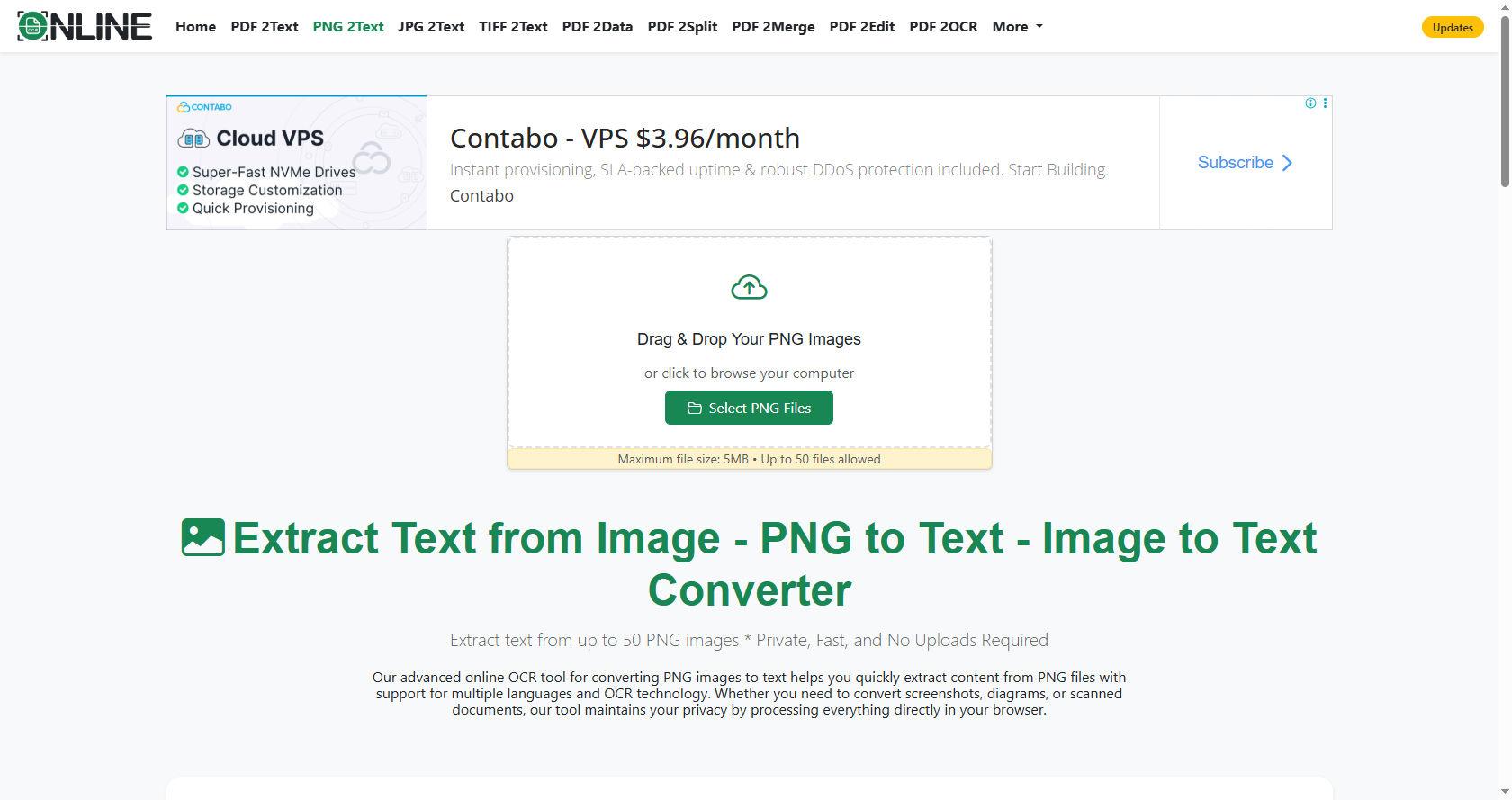
In simple terms, Picture to Text is the process of analyzing an image and identifying the written characters inside it. The browser acts as a bridge between you and powerful software that reads letters, numbers, and symbols from pictures.
Understanding how Picture to Text works can help you use it more effectively and appreciate the smart technology behind it.
This guide explains the full process step by step. It breaks down complex ideas into simple language suitable for a 12th grade audience. By the end, you will clearly understand how modern browser-based tools turn images into text.
What Is Picture to Text Technology?
Picture to Text is a digital process that converts written content inside an image into machine-readable text. The image could be a scanned document, a screenshot, a photograph of handwritten notes, or even a street sign.
Picture to Text tools rely on a technology called Optical Character Recognition, often shortened to OCR. The core idea behind Picture to Text is simple: the system looks at shapes in an image and compares them to known letter patterns. When it finds a match, it converts that shape into a character.
Modern Picture to Text systems go beyond simple pattern matching. They use artificial intelligence and machine learning to improve accuracy. These systems can recognize different fonts, handwriting styles, and even multiple languages.
Step 1: Capturing or Uploading the Image
The first step in any Picture to Text process is providing an image. In a browser, this usually means uploading a file such as a JPG, PNG, or PDF.
When you use Picture to Text in a browser, the image is either processed directly on your device or sent to a server for analysis. The quality of the image plays a major role in the quality of the Picture to Text result.
Clear images with good lighting and sharp focus produce better results. Blurry or dark images make it harder for the system to detect letters correctly.
Step 2: Image Pre-Processing
Before the software can recognize text, it must prepare the image. In Picture to Text workflows, this stage is called pre-processing.
Pre-processing helps Picture to Text software clean up the image. It may adjust brightness and contrast to make letters stand out from the background. It can also remove noise, such as random dots or shadows.
Another important task is converting the image to black and white. This makes it easier for Picture to Text systems to separate text from the background. Straightening tilted images and resizing them for clarity also improves Picture to Text accuracy.
These small improvements make a big difference in the final output.
Step 3: Text Detection
After cleaning the image, the system must find where the text is located. For Picture to Text to succeed, it needs to separate text areas from non-text areas.
Advanced Picture to Text models scan the image and draw invisible boxes around regions that likely contain words or sentences. This process is called text detection.
The software identifies lines, paragraphs, and spacing. It also determines whether the text is printed or handwritten. Accurate detection boosts Picture to Text precision and reduces errors.
Without this step, the software would not know which parts of the image to read.
Step 4: Character Recognition
The heart of Picture to Text lies in character recognition. This is where the actual reading happens.
Traditional Picture to Text engines compared shapes in the image to stored templates of letters and numbers. If a shape matched a template, it was converted into the corresponding character.
Modern Picture to Text systems use deep learning. They are trained on millions of examples of letters in different fonts and handwriting styles. Instead of simply matching shapes, they analyze patterns and probabilities.
For example, if the system sees a shape that looks like “O,” it also checks nearby letters to confirm whether the word makes sense. This allows Picture to Text to correct mistakes based on context.
This intelligent recognition makes today’s tools far more accurate than older systems.
Step 5: Post-Processing and Error Correction
After raw Picture to Text conversion, the system performs post-processing. This step refines the output and corrects errors.
The post-processing stage in Picture to Text often includes spell-checking. If a recognized word does not exist in the dictionary, the system suggests corrections.
It also adjusts formatting. For example, it restores paragraphs, bullet points, or line breaks. This step refines Picture to Text output and makes it easier to edit or copy.
Some tools even recognize tables and forms, converting them into structured formats like spreadsheets.
The Role of the Browser in Picture to Text
Browser-based Picture to Text tools are designed for convenience. You do not need to install software. Everything works through a website.
Browser-based Picture to Text applications use web technologies such as JavaScript and cloud computing. When you upload an image to a Picture to Text site, one of two things happens:
-
The image is processed locally using code running in your browser.
-
The image is securely sent to a remote server for processing.
After the conversion, the text is sent back and displayed on your screen. A secure Picture to Text experience depends on encrypted connections, usually using HTTPS.
This setup allows users to access powerful technology from any device with internet access.
Cloud-Based vs Local Processing
Cloud-based Picture to Text systems perform most of the work on remote servers. These servers are powerful and can handle complex tasks quickly.
Local Picture to Text tools process images directly on your computer or mobile device. They may work offline but can be limited by your device’s processing power.
When choosing a Picture to Text solution, consider speed, privacy, and accuracy. Cloud systems are often faster and more accurate because they use advanced AI models. Local tools may offer better privacy since images do not leave your device.
Both approaches have advantages depending on your needs.
Factors That Affect Accuracy
Picture to Text accuracy depends on many factors. Even the best systems can struggle with poor-quality images.
To improve your Picture to Text results, follow these tips:
-
Use clear, high-resolution images.
-
Avoid shadows and uneven lighting.
-
Keep the text straight and aligned.
-
Use printed text when possible.
Good formatting also helps. Clean fonts and strong contrast lead to better Picture to Text performance.
Handwriting can be more difficult, but modern AI systems are improving quickly. Training models on diverse handwriting samples helps optimize Picture to Text output.
Language and Font Recognition
Modern Picture to Text platforms support multiple languages. They can recognize English, Spanish, French, and many others.
The training data for Picture to Text determines how well it handles different scripts. Some systems even support complex writing systems such as Arabic, Chinese, or Hindi.
Font recognition is also important. Decorative or stylized fonts can confuse simple systems. However, advanced AI makes Picture to Text valuable for recognizing unusual or artistic text.
The more data the system has seen during training, the better it performs.
Security and Privacy Considerations
When using online Picture to Text services, privacy matters. You may upload sensitive documents such as school records or financial papers.
Trusted Picture to Text providers use encryption to protect uploaded images. This prevents others from intercepting your data during transfer.
Some browser Picture to Text services automatically delete files after processing. Others allow users to manually remove data.
If privacy is important to you, always read the website’s privacy policy. Consider whether local processing might be a better choice for confidential documents.
Real-World Applications
Picture to Text is used in many areas of daily life.
Businesses rely on Picture to Text to digitize paper records. Instead of typing information manually, employees can scan documents and extract text instantly.
Students benefit from Picture to Text when converting textbook pages into editable notes. This makes studying and organizing information easier.
Healthcare providers use it to digitize patient forms. Banks use it to read checks and invoices. Even travelers use it to translate signs and menus.
The technology saves time and reduces human error.
The Role of Artificial Intelligence
Artificial intelligence plays a major role in modern systems. AI-driven Picture to Text tools use neural networks that learn from massive datasets.
These networks analyze patterns rather than simply matching shapes. They understand context, spacing, and language rules.
For example, if the system reads “Th1s,” it may correct it to “This” based on context. This smart correction improves overall accuracy.
As AI continues to develop, the future of Picture to Text looks even more promising.
Common Challenges
Despite its strengths, the technology still faces challenges.
Handwritten notes can vary greatly between individuals. Poor lighting and complex backgrounds can reduce recognition accuracy.
Curved text, such as on bottles or banners, is also difficult to interpret. However, continuous improvements in machine learning are solving these problems step by step.
Developers are training models with more diverse data to improve performance in real-world situations.
Advantages of Browser-Based Tools
There are several reasons why browser tools are popular:
-
No installation required
-
Accessible from any device
-
Automatic updates
-
Easy sharing and exporting
These benefits make them practical for students, professionals, and everyday users.
Because everything runs online, improvements can be deployed instantly without user action.
Limitations to Consider
Although convenient, browser tools may depend on internet speed. Large files can take time to upload.
Free services may limit file size or the number of conversions per day. Some advanced features may require payment.
Understanding these limits helps set realistic expectations.
Future Trends in Image Recognition
Technology is moving toward real-time recognition. Smartphones can already read text through camera apps instantly.
Future systems may combine text recognition with translation, voice reading, and data analysis.
As hardware becomes faster and AI models become smarter, recognition accuracy will continue to rise. We may soon see near-perfect results even with complex handwriting or low-quality images.
The integration of augmented reality may also allow users to point their camera at an object and receive instant digital information.
Conclusion
Browser-based image recognition has transformed how we handle information. What once required manual typing can now be completed in seconds. The process involves multiple stages: uploading the image, cleaning it, detecting text areas, recognizing characters, and refining the final output.
Behind the scenes, artificial intelligence and machine learning power these systems. They analyze patterns, correct errors, and improve over time. The browser serves as a simple gateway to advanced computing systems, either locally or through the cloud.
Understanding how this technology works helps you use it more effectively. It also highlights the importance of image quality, privacy, and choosing the right tool for your needs.
As innovation continues, this technology will become even more accurate, faster, and integrated into everyday life. Whether for education, business, or personal use, image-to-text conversion has become an essential digital skill in the modern world.