

Sewa Videotron Berkualitas untuk Keperluan Pemasaran semakin populer karena kemampuannya dalam memberikan pengalaman visual yang menarik dan efektif Sewa Videotron. Sewa Videotron adalah teknologi layar besar dengan kualitas tampilan tinggi yang dapat digunakan dalam berbagai jenis acara atau kebutuhan pemasaran. Dengan sewa videotron, perusahaan atau penyelenggara acara dapat memanfaatkan media visual untuk mencapai audiens yang lebih luas dan menarik perhatian mereka secara lebih efektif.
Dalam dunia pemasaran, videotron sering digunakan untuk menampilkan iklan, promosi produk, atau informasi penting lainnya. Dengan ukuran layar yang besar dan kemampuan untuk menampilkan gambar, video, dan animasi berkualitas tinggi, sewa videotron memungkinkan brand atau perusahaan untuk menciptakan kesan yang mendalam kepada para konsumen. Jasa Sewa Videotron Profesional menjadi pilihan utama karena kualitas tampilan yang tajam dan jelas, bahkan dalam kondisi cuaca buruk atau pencahayaan yang minim, menjadikannya solusi ideal untuk pemasaran outdoor.
Selain itu, sewa videotron juga sangat bermanfaat dalam berbagai jenis acara luar ruangan, seperti konser, festival, atau acara olahraga. layar videotron outdoor dirancang untuk tahan terhadap kondisi cuaca ekstrem, seperti hujan atau sinar matahari yang sangat terik, menjadikannya pilihan yang tepat untuk penggunaan jangka panjang di luar ruangan. Dengan layar besar dan jelas, para pengunjung dapat menikmati tayangan dengan lebih nyaman, bahkan jika mereka berada jauh dari panggung atau area utama.
Sewa Videotron Berkualitas untuk acara outdoor juga memberikan fleksibilitas dalam penataan layar. Pengguna dapat menyesuaikan ukuran dan penempatan layar sesuai dengan kebutuhan acara, memastikan bahwa semua audiens dapat melihat tampilan dengan jelas. Tidak hanya itu, videotron juga dapat diprogram untuk menampilkan konten yang berbeda sesuai dengan waktu atau lokasi acara, sehingga memberikan nilai lebih dalam segi pengalaman dan interaktivitas.
Tidak hanya digunakan dalam acara outdoor, sewa videotron juga sangat efektif dalam event-event iklan yang berlangsung di dalam ruangan. Dengan kualitas tampilan yang sangat tajam dan jernih, videotron indoor menawarkan solusi visual yang sangat menarik untuk pameran, konferensi, atau peluncuran produk. Konten iklan atau presentasi dapat ditampilkan dengan sangat detail, memberikan kesan profesional yang tinggi pada audiens yang hadir.
Keuntungan lain dari menggunakan sewa videotron untuk keperluan pemasaran atau acara iklan adalah kemudahan dalam pengelolaan konten. Videotron biasanya dilengkapi dengan sistem kontrol yang memungkinkan pengguna untuk mengubah, memprogram, atau memperbarui tampilan konten dengan mudah. Ini memungkinkan perusahaan untuk menyesuaikan pesan yang disampaikan secara real-time, sehingga dapat meningkatkan interaksi dengan audiens dan memperkuat efek iklan.
Jasa Sewa Videotron Profesional juga memberikan solusi hemat biaya bagi perusahaan atau penyelenggara acara yang tidak ingin berinvestasi dalam pembelian videotron secara permanen. Dengan menyewa videotron, mereka dapat menikmati semua manfaat teknologi ini tanpa harus memikirkan biaya pemeliharaan atau perawatan jangka panjang. Ini adalah solusi yang sangat efisien, terutama bagi perusahaan kecil dan menengah yang ingin memanfaatkan teknologi visual canggih namun terbatas dalam anggaran.
Penyedia layanan jasa sewa videotron profesional juga menawarkan berbagai pilihan paket yang dapat disesuaikan dengan kebutuhan acara atau pemasaran. Misalnya, mereka dapat menyediakan videotron dengan berbagai ukuran dan resolusi, mulai dari ukuran kecil untuk acara kecil hingga layar besar untuk event-event besar seperti konser atau pameran. Ini memungkinkan penyelenggara acara untuk memilih opsi yang paling sesuai dengan kebutuhan spesifik mereka.
Selain itu, sewa videotron juga dapat digunakan untuk menampilkan berbagai jenis konten, termasuk grafik interaktif, video promosi, animasi 3D, atau bahkan siaran langsung. Ini memberikan fleksibilitas yang luar biasa dalam menyampaikan pesan atau informasi kepada audiens, yang dapat disesuaikan dengan tujuan dan tema acara.
Dalam kesimpulannya, sewa videotron berkualitas adalah pilihan yang sangat baik untuk meningkatkan efektivitas pemasaran dan memperkaya pengalaman acara. Baik untuk event iklan, videotron menawarkan solusi visual yang dapat menarik perhatian audiens dengan cara yang sangat efektif. Dengan kualitas tampilan yang tinggi, kemudahan pengelolaan konten, dan fleksibilitas dalam penataan layar, videotron merupakan alat yang tak ternilai bagi siapa pun yang ingin membuat acara atau kampanye iklan mereka lebih berdampak.
TikTok has rapidly become one of the most popular social media platforms globally. From viral dances to informative content, it has something for everyone.

But what happens when you want to save your favorite TikTok videos to watch offline or share them with friends? This is where instasave tiktok comes into play.
With instasave tiktok, users can easily download videos without losing quality, ensuring that the original content remains intact.
In this comprehensive guide, we will explore everything about instasave tiktok download quality, including how it works, tips for maximizing download quality, common issues, and how to use it safely.
What is Instasave TikTok?
Instasave tiktok is an online tool or application that allows users to download TikTok videos quickly. Unlike traditional screenshots or screen recording, instasave tiktok retains the original video quality. Users do not need to install heavy software or compromise on video resolution.
It is particularly useful for content creators, marketers, or anyone who wants to save viral TikTok videos for later reference. By using instasave tiktok, downloading high-quality videos becomes simple, fast, and efficient.
How Does Instasave TikTok Work?
Instasave tiktok works by taking the video link from TikTok and processing it for download. Here’s a step-by-step breakdown:
-
Copy the Video Link: Open TikTok and find the video you want to download. Tap the share button and copy the video link.
-
Open Instasave TikTok Tool: Access the instasave tiktok website or app.
-
Paste the Link: Paste the copied TikTok link into the download box.
-
Select Quality: Many versions of instasave tiktok allow you to choose the download quality (HD, Full HD, or even 4K, depending on the original video).
-
Download: Click the download button and wait for the video to be processed.
The process is fast, usually taking only a few seconds. Best of all, the downloaded video retains its original resolution, unlike some online converters that compress or degrade quality.
Understanding Download Quality
When using instasave tiktok, understanding download quality is important. TikTok videos are typically uploaded in HD, so preserving that quality ensures you enjoy the video without pixelation or blurriness.
Video Resolution
Resolution refers to the number of pixels in a video. Common resolutions include:
-
720p (HD): Good for general viewing.
-
1080p (Full HD): Excellent for sharing and editing.
-
4K (Ultra HD): Best quality, but larger file size.
Instasave tiktok supports most resolutions depending on the original video. If the video was recorded in high definition, the tool ensures you download the same quality.
Video Format
Most downloads from instasave tiktok are in MP4 format. MP4 is widely compatible, making it easy to play videos on smartphones, laptops, or media players without extra software.
Audio Quality
Many users overlook audio quality. Instasave tiktok also ensures that the original audio is preserved. This is particularly important for music videos, tutorials, or voice-over content.
Why Choose Instasave TikTok Over Other Downloaders
There are multiple TikTok downloaders available online, but instasave tiktok stands out due to several reasons:
-
High Quality: Unlike many free downloaders, it preserves video and audio quality.
-
Ease of Use: The interface is simple, even for beginners.
-
Fast Downloads: Videos are processed quickly without long wait times.
-
No Watermarks: Some versions of instasave tiktok allow watermark-free downloads, which is ideal for content repurposing.
-
Safe and Secure: Using instasave tiktok does not require sharing personal information or installing suspicious software.
Tips for Maximizing Download Quality
To get the best results from instasave tiktok, follow these simple tips:
Use the Original TikTok Video
Always copy the link from the original TikTok video. If you try to download videos that have already been compressed or reposted, the quality may be lower.
Check the Internet Connection
Downloading high-resolution videos requires a stable internet connection. A slow connection may result in incomplete downloads or reduced quality.
Choose the Highest Available Resolution
If the instasave tiktok tool allows you to select resolution, always choose the highest available option. This ensures you get the clearest video possible.
Avoid Multiple Downloads at Once
Downloading several large videos at once can slow down the process or result in errors. Download videos one at a time for optimal results.
Keep the Tool Updated
If you are using a mobile app version of instasave tiktok, keep it updated. Developers often release updates to improve download quality and fix bugs.
Common Problems and Solutions
Even with a reliable tool like instasave tiktok, users may encounter some issues. Here’s a list of common problems and how to fix them:
Video Not Downloading
-
Solution: Check the video link. Ensure it is copied correctly from TikTok.
-
Make sure the video is not private or restricted. Private TikTok videos cannot be downloaded.
Reduced Quality
-
Solution: Always select the highest resolution option available.
-
Avoid using downloaders that compress videos excessively. Instasave tiktok ensures original quality if done correctly.
Audio Issues
-
Solution: If the video has no sound, ensure your device volume is on and the downloaded video file is complete. Re-download if necessary.
Download Speed is Slow
-
Solution: Use a stable Wi-Fi connection. Avoid downloading during peak hours if possible.
Using Instasave TikTok on Mobile Devices
Many users prefer downloading TikTok videos directly to their smartphones. Instasave tiktok is fully compatible with Android and iOS devices.
Steps for Mobile Download
-
Copy the TikTok video link from your mobile app.
-
Open instasave tiktok in your mobile browser or app.
-
Paste the link and select download quality.
-
Wait for the video to process and save it to your gallery.
Mobile downloads are convenient because you can watch videos offline, share them with friends, or even use them for personal projects.
Using Instasave TikTok on PC
Downloading TikTok videos on a computer is ideal for content creators and marketers. The process is similar to mobile downloads:
-
Copy the TikTok video link.
-
Visit the instasave tiktok website on your browser.
-
Paste the link in the download box.
-
Choose the resolution and click download.
PC downloads often provide faster processing times and allow easier storage and organization of multiple videos.
Legal and Ethical Considerations
While instasave tiktok makes downloading easy, users must be aware of legal and ethical guidelines:
-
Respect Copyright: Do not use downloaded content for commercial purposes without permission.
-
Avoid Sharing Private Videos: Downloading and sharing private TikTok videos violates user privacy.
-
Give Credit to Creators: If you share downloaded content, always credit the original creator.
Being mindful of these considerations ensures you use instasave tiktok responsibly.
Alternatives to Instasave TikTok
While instasave tiktok is popular, there are alternative tools for TikTok downloads:
-
SnapTik: Offers watermark-free downloads.
-
MusicallyDown: Allows MP4 and MP3 downloads.
-
TikMate: Fast downloads with multiple quality options.
Each tool has unique features, but instasave tiktok remains a top choice for preserving original quality.
Benefits of High-Quality TikTok Downloads
High-quality downloads from instasave tiktok offer several benefits:
-
Better Viewing Experience: Crisp, clear videos are enjoyable to watch.
-
Content Repurposing: Use high-quality videos for editing, mashups, or marketing.
-
Offline Access: Watch your favorite videos anytime, even without internet.
-
Sharing with Friends: Send HD videos to friends without losing resolution.
High-quality downloads ensure that you enjoy TikTok content as it was originally intended.
FAQs About Instasave TikTok
Can I Download TikTok Videos for Free?
Yes, instasave tiktok is free to use. Most online versions do not require any payment.
Is it Safe to Use Instasave TikTok?
Yes, as long as you use official versions of the tool. Avoid suspicious apps or websites that may contain malware.
Can I Download Private Videos?
No. Private TikTok videos are protected and cannot be downloaded without permission.
Will My Downloads Lose Quality?
No, instasave tiktok is designed to retain the original video and audio quality.
Conclusion
Instasave tiktok download quality is essential for anyone who wants to save and enjoy TikTok videos offline. Whether you are a casual user, a content creator, or a marketer, using instasave tiktok ensures that the videos you download retain their original resolution and sound quality.
By understanding how instasave tiktok works, selecting the right resolution, and following safe download practices, you can maximize the value of every video. Remember to respect copyrights, avoid private videos, and give credit to creators when sharing content.
In addition, following the tips outlined in this guide will help you avoid common issues such as slow downloads, reduced quality, or missing audio. With instasave tiktok, downloading high-quality videos has never been easier or more efficient.
So, whether you want to watch your favorite TikTok dances offline, save tutorials, or repurpose content for your projects, instasave tiktok is the go-to solution for reliable, high-quality downloads.
Start using instasave tiktok today and experience TikTok content in its full glory, anytime and anywhere.
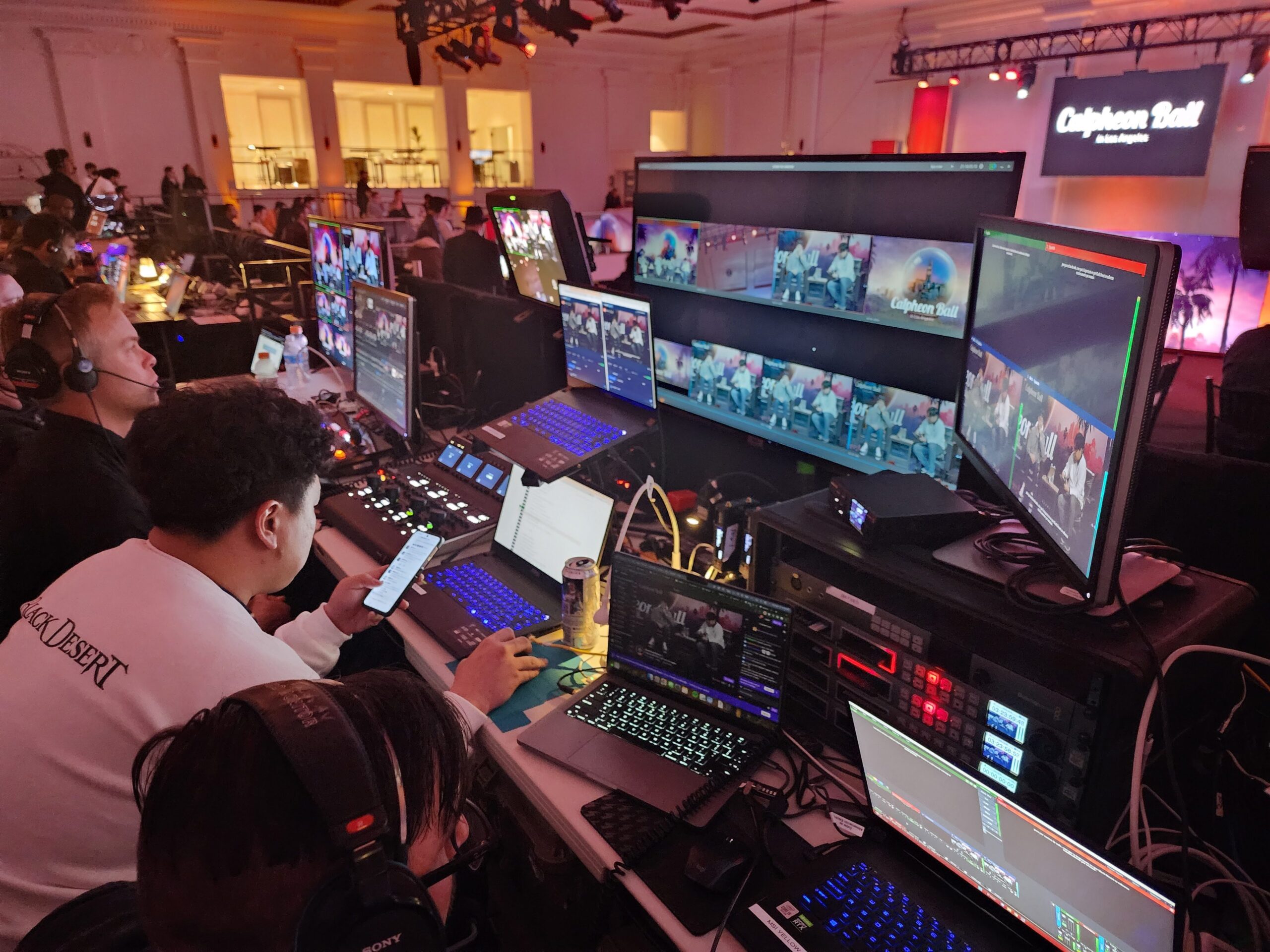
In today’s fast-paced event landscape, technology isn’t just a tool; it’s a game-changer. Leveraging professional event technology services in San Francisco can transform your gatherings into memorable experiences. From seamless registration to engaging audiovisual setups, these services enhance every aspect of your event. Curious about how the right technology can elevate your audience’s experience and keep them connected? Let’s explore the critical components that make a significant impact.
Key Takeaways
- Look for event technology services in San Francisco that offer comprehensive registration, ticketing, and attendee management solutions for seamless event execution.
- Ensure the service provides reliable audiovisual equipment and professional technicians to enhance presentations and engage the audience effectively.
- Choose a provider that offers interactive audience engagement tools, such as live polling and gamification, to boost participation and retention.
- Opt for a service that incorporates data analytics for measuring engagement and gaining insights to improve future events.
- Seek out companies that stay ahead of technology trends, including AI and virtual reality, to create innovative and memorable event experiences.
The Importance of Event Technology in Modern Gatherings
As gatherings evolve, leveraging event technology becomes crucial for creating memorable experiences.
You’ll find that integrating technology enhances event accessibility for all attendees, ensuring everyone can participate fully. By utilizing tools like live streaming, mobile apps, and interactive displays, you not only engage your audience but also break down barriers that might hinder participation.
Technology integration allows for smoother communication and collaboration, making your event more dynamic and inclusive. When you prioritize these elements, you elevate the overall experience, fostering connections and leaving a lasting impression.
Embrace this shift; it’s essential for modern gatherings to thrive in today’s digital landscape.
Key Components of Professional Event Technology Services
When planning a successful event, understanding the key components of professional event technology services is vital.
First, effective event software streamlines registration, ticketing, and attendee management. You’ll want to guarantee the software integrates seamlessly with other tools, enhancing overall efficiency.
Next, reliable audiovisual equipment is essential for presentations and live streaming. Don’t forget about on-site tech support to troubleshoot issues as they arise.
Finally, data analytics will help you measure engagement and gather insights for future events.
Enhancing Audience Engagement With Interactive Tools
To boost audience engagement, you can leverage interactive tools like polling solutions, live Q&A sessions, and gamification techniques.
These methods not only capture attention but also encourage participation, making your event more dynamic.
Interactive Polling Solutions
Interactive polling solutions revolutionize audience engagement by allowing participants to voice their opinions in real time.
You can gather valuable audience insights and enhance interaction during your events. Here are four key benefits of using interactive polling:
-
Immediate Feedback: Capture real-time feedback that helps you adjust content dynamically.
-
Increased Participation: Encourage audience involvement, making them feel more invested in the event.
-
Data-Driven Decisions: Analyze polling results to inform future strategies and presentations.
-
Visual Engagement: Display results instantly, keeping the audience visually engaged and informed.
Utilize polling to elevate your event experience and foster deeper connections.
Live Q&A Sessions
Live Q&A sessions transform the traditional Event Led Screen Rental format by fostering real-time dialogue between speakers and attendees.
With these interactive tools, you can facilitate live interaction that keeps your audience engaged. Attendees appreciate the opportunity to ask questions directly, which enhances their overall experience.
By encouraging audience feedback, you can address their specific interests and concerns, making your event more relevant and impactful.
Utilizing technology, such as mobile apps or dedicated platforms, can streamline this process, ensuring smooth communication.
Ultimately, these sessions not only deepen connections but also drive engagement, creating a dynamic atmosphere that resonates long after the event concludes.
Gamification Techniques
How can you make your event more engaging and memorable? Implementing gamification techniques is a powerful way to boost audience motivation and interaction.
Here are four effective gamification strategies:
-
Leaderboards: Create competition among attendees, rewarding points for participation.
-
Interactive Polls: Use real-time surveys to gauge opinions and spark discussions.
-
Challenges: Set specific tasks for attendees to complete, promoting teamwork and excitement.
-
Rewards: Offer prizes for engagement, encouraging attendees to stay active throughout the event.
The Role of Audiovisual Equipment in Event Success
When planning an event, the right audiovisual equipment can make or break your success. You need to stay ahead of the curve by embracing current audiovisual trends and ensuring seamless technology integration.
High-quality sound and visuals not only enhance presentations but also engage your audience, making them feel connected to the experience. Investing in cutting-edge equipment allows for dynamic interactions, whether through immersive displays or professional-grade microphones.
Seamless Live Streaming: Connecting With Remote Audiences
As events evolve, reaching remote audiences has become an essential aspect of effective communication. Implementing seamless live streaming enhances your event’s impact, guaranteeing everyone feels included.
Here are key remote engagement strategies to contemplate:
-
High-Quality Video and Audio: Guarantee crisp visuals and clear sound for an immersive experience.
-
Interactive Polls and Q&A: Foster virtual audience interaction through real-time engagement tools.
-
Breakout Rooms: Create smaller discussions to enhance networking opportunities.
-
Social Media Integration: Use platforms to amplify reach and connect with attendees.
Customizing Technology Solutions for Unique Events
While every event has its unique requirements, customizing technology solutions is crucial for maximizing impact and engagement.
By leveraging custom software, you can create tailored experiences that resonate with your audience. Whether it’s integrating interactive displays, optimizing registration processes, or developing mobile apps, the right technology can elevate your event.
Don’t settle for off-the-shelf solutions; embrace innovation that aligns with your goals. Collaborating with experts guarantees you can implement cutting-edge tools that enhance participation and streamline operations.
Invest in customized technology to provide memorable experiences and leave a lasting impression on your attendees, setting your event apart from the rest.
Benefits of Hiring Professional Event Technicians
Customizing technology solutions can greatly enhance your event, but without skilled technicians, even the best tools may fall short.
Here are some key event technician benefits you’ll experience:
-
Expertise: Professionals bring specialized knowledge to troubleshoot issues quickly.
-
Efficiency: They streamline setup and execution, minimizing downtime.
-
Quality Assurance: With professional support, you guarantee peak performance of all technology.
-
Peace of Mind: You can focus on your guests while they handle the technical details.
Case Studies: Successful Events Powered by Technology
Let’s explore how innovative event solutions have transformed gatherings into seamless virtual experiences and engaging hybrid formats.
You’ll see real-world case studies that highlight the impact of cutting-edge technology on attendee engagement and event success.
These examples showcase the potential of strategic tech integration in creating unforgettable events.
Innovative Event Solutions
As technology continues to evolve, event planners are increasingly harnessing innovative solutions to elevate attendee experiences and streamline operations.
Embracing event innovation and technology trends, you can implement:
-
Interactive Event Apps: Enhance engagement with real-time updates and networking features.
-
Augmented Reality Experiences: Create immersive environments that captivate participants.
-
Data Analytics Tools: Optimize future events by analyzing attendee behavior and feedback.
-
Live Streaming Solutions: Expand reach by allowing remote participation without compromising quality.
These strategies not only improve attendee satisfaction but also set your events apart in a competitive landscape, ensuring you stay ahead in the industry.
Seamless Virtual Experiences
When planning virtual events, leveraging the right technology can transform the attendee experience and drive engagement.
Consider a recent tech conference that utilized immersive environments, allowing participants to navigate virtual spaces seamlessly. Attendees engaged in interactive sessions, fostering meaningful virtual networking opportunities. The platform’s advanced features, like breakout rooms and live polls, kept everyone involved and energized.
Another successful case involved a product launch where augmented reality showcased features in real-time.
These examples illustrate how smart tech choices can create unforgettable virtual experiences, ensuring your event leaves a lasting impact while maximizing participant interaction and satisfaction.
Engaging Hybrid Formats
How can you create a dynamic experience that captivates both in-person and remote attendees? Engaging hybrid formats are key to successful events.
Here’s how to enhance hybrid networking and virtual collaboration:
-
Interactive Platforms: Utilize tools that allow live polling and Q&A sessions to engage both audiences.
-
Live Streaming: Stream presentations in real-time, ensuring remote attendees feel included.
-
Breakout Sessions: Create small group discussions that mix in-person and virtual participants for deeper engagement.
-
Networking Lounges: Set up virtual lounges where attendees can connect, fostering meaningful interactions regardless of location.
Harnessing these elements can elevate your event experience.
Future Trends in Event Technology Services
While the landscape of event technology continues to evolve, staying ahead of future trends is essential for delivering unforgettable experiences.
You’ll see artificial intelligence streamlining event planning through predictive analytics, helping you tailor experiences to attendees’ preferences.
Virtual reality will also reshape how you engage participants, offering immersive environments that transcend traditional formats.
Expect real-time data integration to enhance decision-making and personalize interactions.
Additionally, sustainability will play a pivotal role, with technology helping you minimize waste and maximize impact.
Embracing these advancements keeps your events innovative and relevant, ensuring you stand out in a competitive market.
The Importance of Event Technology in Modern Gatherings
0
In today’s fast-paced event landscape, leveraging professional event technology is like having a skilled conductor leading an orchestra. Just as each instrument harmonizes to create a symphony, your event thrives when registration, audiovisuals, and audience engagement tools work seamlessly together. By embracing these innovative solutions, you guarantee every guest, whether in-person or remote, feels the rhythm of connection and engagement. Don’t miss the chance to elevate your next event into a memorable experience that resonates long after it ends.

Lawn mowers have been an necessity tool in maintaining the aesthetic appeal of lawns for generations. Over the eld, the phylogenesis of lawn mowers has drastically changed how we care for our lawns, making the work on faster, more efficient, and available to a broader range of populate. In this clause, we ll search the history of lawn mowers, how their plan has evolved, and how Bodoni mowers have changed lawn care into an easier and more environmentally-friendly task.
The Early Days of Lawn Care
Before lawn mowers existed, lawn care was a push on-intensive process. Lawns were often maintained using tools like scythes or sickles, which necessary significant skill and effectiveness. Wealthier landowners would utilise gardeners to manually tend to their lawns, thinning the grass with these basic tools. These methods were not only physically exacting but also time-consuming, qualification lawn sustainment a luxuriousness that was mostly available to the upper berth classes. Lawns, as we know them today, were rare, and maintaining them was often a matter of requirement rather than aesthetic appeal.
The Invention of the Lawn Mower
The first significant transfer came in 1830 when an Englishman onymous Edwin Beard Budding proprietary the first mechanical lawn mower. Budding s innovation was premeditated to replace the manual scythe and make the work of lawn care quicker and less physically difficult. His mower faced a cylindrical blade that rotated when pushed, cutting grass efficiently. This innovation revolutionized the way lawns were retained, but it still requisite a somebody to push the lawn mower manually, qualification it somewhat express in terms of .
While early on lawn mowers were a significant furtherance, they were still relatively uncontrollable to use and only available to wealthier individuals or vauntingly estates. Nonetheless, they laid the initiation for future innovations that would one of these days lead to the more user-friendly mowers we use now.
The Introduction of Gas-Powered Mowers
The next John R. Major leap in lawn mower applied science came in the early 20th century with the introduction of gas-powered mowers. These mowers were more powerful and could wrap up larger areas with less travail. The -driven mowers made it possible for homeowners to exert large lawns without the need for energetic natural science tug. By the 1920s, gasoline-powered mowers were becoming widely available, allowing the average out soul to maintain a lawn with ease.
Gas-powered mowers also introduced the conception of self-propulsion. Previously, lawn mowers had to be pushed by hand, which requisite significant physical travail, especially when thinning boastfully or inconsistent lawns. The self-propelled models allowed homeowners to cut grass over without needing to use as much energy, thus rising handiness and . For the first time, lawn care was something that could be done relatively rapidly and with negligible elbow grease.
Electric and Battery-Powered Mowers
As concerns about the began to grow in the latter half of the 20th , the for more eco-friendly alternatives to gas-powered lawn mowers hyperbolic. This led to the of electric and stamp battery-powered mowers, which offered a and quieter way to wield lawns. These mowers eliminated the need for gas, reduction air contamination and eliminating the need for habitue sustenance of gasoline engines, such as oil changes and trigger plug replacements.
Electric mowers were at the start unsmooth, requiring users to stay within strive of a power electric receptacl, which express their range. However, with advancements in stamp battery technology, conductor electric automobile mowers became more wide available. These mowers offered the same benefits as their twilled counterparts but with the added convenience of being able to mow lawns without the need for an physical phenomenon wall socket.
Battery-powered mowers have become especially nonclassical among environmentally intended homeowners, offer a quieter, more sustainable choice for lawn maintenance. They are nonsuch for little lawns, as they are jackanapes, easy to channelis, and want token sustainment.
Robotic Lawn Mowers: The Future of Lawn Care
Perhaps the most significant Holocene epoch design in lawn care applied science is the development of robotic lawn mowers. These independent machines are armed with sensors and navigation systems that allow them to cut grass over without any homo intervention. Users can set the wanted mowing schedule, and the robotic mower will mechanically navigate the lawn, avoiding obstacles and adjusting its cutting height based on the terrain.
Robotic mowers are transforming lawn care by qualification it most workforce-off. They provide homeowners with the last convenience, as they no longer need to push, pull, or even be submit while mowing the lawn. These mowers can work in the background while populate go about their day, release up time for other activities.
In summation to their convenience, robotic lawn mowers are also praised for their situation benefits. They tend to be electric or stamp battery-powered, meaning they produce no emissions, and many models are designed to be extremely energy-efficient. Additionally, robotic mowers are often quieter than orthodox gas-powered mowers, reducing resound contamination in residential neighborhoods.
How Lawn Mowers Have Changed Lawn Care
The bear on of lawn mowers on the way we care for our lawns cannot be overstated. Lawn care has evolved from a push-intensive and time-consuming task to a more efficient and available activity that can be done with stripped exertion. Mowers have allowed people to wield larger lawns with ease, promoting the esthetic value of green spaces in both residential and commercial areas.
Beyond the practical benefits, lawn mowers have also contributed to a shift in how we view lawn upkee. Lawn care has become more of a subprogram, integrated into Bodoni font lifestyles. The rise of machine-driven mowers and environmentally-friendly options reflects broader shifts in preferences toward , sustainability, and engineering science-driven solutions.
Today, lawn Home Finds continue to develop, with innovations focussed on making the work even easier and more sustainable. From electric automobile and stamp battery-powered models to robotic mowers, lawn care has become quicker, quieter, and more eco-friendly. What once was a defiant and time-consuming job has now become a administrable task that fits seamlessly into the busy lives of Bodoni font homeowners. As engineering continues to advance, it will be riveting to see how the time to come of lawn care evolves even further.
Introduction: Why Web Hosting Matters in Today’s Digital World
In an era where online presence can make or break a business, understanding the fundamentals of web hosting becomes essential. Whether you’re launching a personal blog, an e-commerce store, or a corporate website, selecting the right hosting provider can significantly influence your site’s performance, security, and scalability. As technology evolves, so do the options and features available, making it crucial to stay informed and choose a solution tailored to your needs.
The Evolution of Web Hosting: From Basic Servers to Cloud Solutions
Historically, web hosting started with simple shared hosting plans, where multiple websites shared a single server’s resources. While affordable, this setup often led to limitations in speed and security. Today, the landscape has transformed with the advent of cloud hosting, dedicated servers, and managed hosting services. Cloud hosting, in particular, offers unparalleled scalability and uptime, leveraging multiple servers to ensure your website remains accessible even during traffic surges. Understanding these options helps you make an informed decision that aligns with your website’s growth trajectory.
Key Factors to Consider When Choosing a Web Hosting Provider
Performance and Uptime Guarantees
Speed is a critical factor influencing user experience and SEO rankings. Opt for providers that offer high uptime guarantees (99.9% or higher) to ensure your website is consistently available. Fast-loading sites reduce bounce rates and improve engagement, which directly impacts your online success.
Security Features
Security is paramount in protecting your data and maintaining customer trust. Look for hosts that provide SSL certificates, regular backups, firewalls, and malware scanning. A secure hosting environment minimizes vulnerabilities and potential cyber threats.
Customer Support and Technical Assistance
Reliable customer support can save you time and frustration. Choose providers with 24/7 support channels, including live chat, email, and phone. Prompt assistance ensures your website operates smoothly without prolonged downtime.
Why Local Hosting Providers Matter
While there are many international hosting options, opting for a local provider like Web Hosting MX can offer distinct advantages. Local hosting ensures faster load times for visitors in your region, better understanding of local regulations, and personalized customer service. Additionally, supporting local businesses fosters community growth and offers more tailored solutions for regional market needs.
Future Trends in Web Hosting
The future of web hosting is poised for continued innovation. Emerging technologies such as edge computing, artificial intelligence, and enhanced cybersecurity protocols will redefine hosting capabilities. These advancements promise greater efficiency, security, and customization, empowering website owners to deliver richer user experiences.
Conclusion: Making an Informed Choice for Your Online Success
Choosing the right web hosting provider is a foundational step toward establishing a resilient and scalable online presence. By understanding the various hosting options, evaluating key performance factors, and considering regional advantages, you can select a service that aligns with your goals. Remember, your website’s performance and security directly impact your brand reputation and growth potential. For tailored hosting solutions that prioritize quality and support, explore options like web hosting providers committed to excellence and innovation.