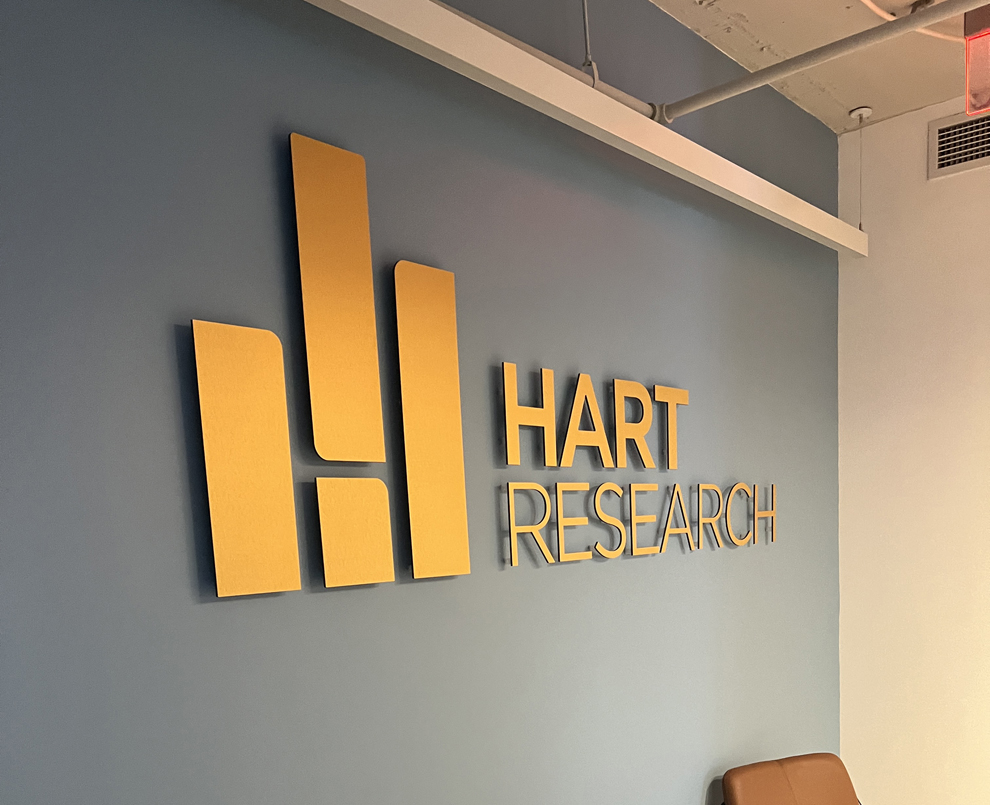
Designing effective business signs is more than choosing bold colors and large fonts. In Washington, DC, where workplaces are surrounded by embassies, associations, government offices, and fast-paced corporations, the role of signage goes beyond basic identification. Business signs are vital branding tools that shape the first impression of visitors, employees, and clients while reinforcing a company’s identity within its interiors.
Whether displayed in lobbies, meeting spaces, or common areas, signs communicate professionalism and purpose. Offices that invest in well-designed business signs not only guide people but also foster trust and engagement. This article explores the fundamentals of designing effective Business Signs Washington DC, with insights into strategy, design, and installation that transform work environments into branded, welcoming spaces.
Understanding the Role of Business Signs in Offices
Business signs are integral to interior branding. They do more than direct visitors; they set the tone for a company’s culture and create a lasting memory. In competitive markets like Washington, DC, interior signage reflects a company’s reputation and attention to detail.
From dimensional lettering in lobbies to wall wraps in common areas, signs are extensions of a business’s values. They remind employees of the organization’s mission and help visitors recognize professionalism instantly. Effective signs are designed not only for visual appeal but also for function, clarity, and consistency.
Elements of Effective Business Sign Design
When designing business signs for offices, several elements contribute to effectiveness:
Clarity and Readability
The most effective signs are easy to read at a glance. Font style, size, and spacing should prioritize legibility over decoration. A lobby sign, for example, should be immediately recognizable, even from across the room.
Color Psychology
Colors evoke emotions. For example, blue often conveys trust and reliability, while green is associated with growth and stability. Businesses in Washington, DC, can leverage color psychology to align signage with brand identity and office design.
Material Selection
Acrylic, metal, wood, or fabric can transform a sign’s presence. Acrylic signs offer a sleek, modern finish ideal for corporate settings, while brushed aluminum conveys strength and permanence. The material should match both brand personality and the environment in which the sign is placed.
Placement and Visibility
Even the most attractive sign fails if poorly placed. Signs in lobbies should be centrally visible, while wayfinding signs should be located at decision points like hallways or elevator banks. Placement ensures functionality complements aesthetics.
Consistency with Brand Identity
Consistency reinforces brand recognition. Fonts, colors, and design elements used in signage should match the company’s branding across digital and print materials, ensuring a cohesive look that enhances professionalism.
Types of Business Signs for Office Interiors
Office interiors provide multiple opportunities to reinforce branding through business signs:
Lobby Signs
Lobby signs are often the centerpiece of a workplace. They establish the tone of professionalism, welcoming clients while showcasing the brand’s logo in dimensional lettering, acrylic panels, or illuminated displays.
Wall Wraps and Graphics
Custom wall wraps can transform blank office walls into storytelling tools. They highlight company history, values, or achievements while creating a visually engaging space for employees and visitors.
Conference Room Signs
Conference rooms can benefit from frosted vinyl, etched glass, or dimensional signs that mark the space while adding an element of sophistication and privacy.
Wayfinding and Directional Signs
Wayfinding signage prevents confusion and enhances visitor experiences, especially in large office buildings. These signs combine practical direction with branding elements to maintain consistency.
Dimensional Letters
Three-dimensional lettering adds depth and prominence, making logos and business names stand out. These are effective in both lobbies and common areas.
Steps to Designing Business Signs in Washington DC
The design process involves both creativity and strategy. Businesses can follow these steps to ensure their signs meet branding and communication goals:
Define Purpose
Identify whether the sign is meant to inform, direct, or reinforce branding. This clarity shapes the design.
Assess Office Environment
Consider lighting, wall textures, and space layout to determine the right materials and finishes for signage.
Align with Brand Guidelines
Incorporate company colors, fonts, and logos consistently to reflect brand identity.
Collaborate with Professionals
Partnering with an experienced sign company ensures professional design, printing, and installation tailored to the office’s needs.
Plan for Longevity
Signs should withstand daily wear while retaining visual impact. Choosing durable materials and protective finishes ensures long-term value.
Business Signs and Workplace Branding
Effective interior signs are a form of environmental branding. They shape how employees feel about their workplace and how visitors perceive the company. A cohesive signage strategy transforms offices into branded environments that motivate employees and strengthen trust among clients.
For instance, a government contractor in Washington, DC, may benefit from bold, professional lobby signage that conveys stability, while a creative marketing firm might use vibrant wall graphics to express innovation. Both examples demonstrate how signs can mirror a company’s personality and reinforce workplace culture.
Importance of Professional Installation
Even the best-designed sign loses impact if poorly installed. Professional installation ensures precision, safety, and longevity. Signage professionals in Washington, DC, handle everything from site surveys to mounting and finishing, making sure every detail aligns with the brand’s vision.
Heritage Signs & Displays, for example, has extensive experience producing and installing interior signs that enhance office branding. Their expertise ensures that signs not only look professional but also remain durable over time.
Trends in Business Signs Washington DC
Washington, DC, offices often integrate modern trends to keep signage fresh and engaging:
Sustainability: Eco-friendly materials appeal to environmentally conscious businesses.
Minimalist Design: Clean, simple signage aligns with modern corporate interiors.
These trends highlight how signs continue to evolve as branding tools.
Why Partner with a Professional Sign Company?
Businesses in Washington, DC, benefit greatly from working with local sign professionals who understand the area’s unique demands. From associations to federal offices, each workplace has specific branding and functional needs.
A trusted company brings expertise in wide-format printing, material selection, and installation. They ensure that every sign project aligns with the client’s vision and workplace environment, avoiding common pitfalls of DIY approaches. For businesses ready to explore solutions, resources such as Click Here offer More Information and opportunities to get started.
Conclusion
Designing effective Business Signs Washington DC requires balancing creativity with strategy. From material selection to professional installation, every detail contributes to signs that both brand a space and guide visitors. In offices where first impressions matter, signs can make the difference between a forgettable experience and a lasting impact.
Businesses that invest in professional signage design elevate their workplace interiors, strengthen branding, and enhance overall communication. For those seeking solutions tailored to Washington, DC offices, Heritage Signs & Displays provides the expertise and craftsmanship needed to bring brand identities to life.
For additional details on available business sign solutions, visit: https://heritageprinting.com/